
Wreck Diving in Egypt: Exploring the Famous SS Thistlegorm and Beyond
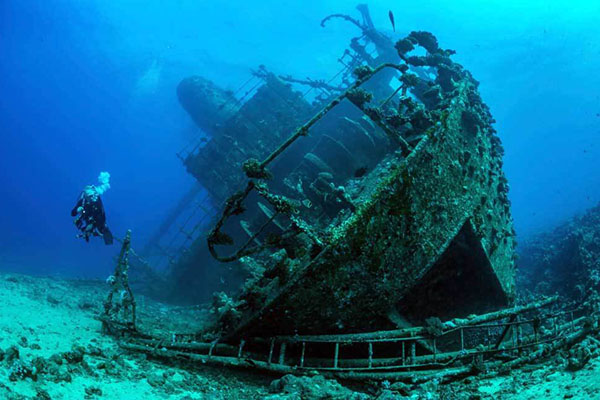
The Red Sea is one of the world’s premier diving destinations, renowned not only for its vibrant coral reefs and abundant marine life but also for its extraordinary wreck diving opportunities. Egypt, in particular, offers divers access to a collection of historic and fascinating shipwrecks—some lying just beneath the surface, others hidden in deeper waters.
At the center of this underwater treasure trove lies the SS Thistlegorm, often hailed as the world’s most famous wreck. But Egypt’s Red Sea is home to many more wrecks that tell stories of war, trade, and exploration. Whether you’re a history buff, an underwater photographer, or simply a diver seeking adventure, wreck diving in the Red Sea is an unforgettable experience.
1. The Legend of the SS Thistlegorm
The SS Thistlegorm is perhaps the most iconic wreck in the Red Sea—and the world. This British merchant ship sank in 1941 during World War II after being bombed by German aircraft while carrying supplies for Allied troops. Today, it rests at a depth of about 30 meters near Sharm El Sheikh.
What makes the Thistlegorm so special is not just its sheer size but the preserved cargo still inside its holds. Divers can explore:
- Motorcycles and trucks
- Train carriages and spare parts
- Boots, rifles, and other military supplies
Descending into the Thistlegorm is like stepping into a time capsule, where history and marine life coexist. Schools of batfish, barracuda, and giant groupers swim through the wreck, while soft corals drape its metal surfaces.
For many divers, this site alone justifies a trip to Egypt’s Red Sea.
2. Other Must-See Wrecks in the Red Sea
While the SS Thistlegorm gets most of the spotlight, Egypt is blessed with a wealth of other spectacular wrecks worth exploring. Here are a few highlights:
The Dunraven (Near Ras Mohammed)
A British steamer that sank in 1876, the Dunraven is a beautiful wreck now carpeted with corals. It lies upside down, creating interesting swim-throughs and hiding places for glassfish, lionfish, and moray eels.
The Giannis D (Abu Nuhas Reef)
This Greek freighter sank in 1983 after hitting Abu Nuhas Reef. Its broken sections offer incredible photo opportunities, and divers can explore the engine room, mast, and bridge.
The Carnatic (Abu Nuhas Reef)
One of the oldest wrecks in the Red Sea, the Carnatic sank in 1869 while carrying wine and gold. Over time, it has become a vibrant artificial reef, home to fusiliers, anthias, and nudibranchs.
The Chrisoula K & Kimon M (Abu Nuhas Reef)
Abu Nuhas is nicknamed the “Ship Graveyard” because of its multiple wrecks. These ships offer divers the chance to experience wreck after wreck in a single day of diving.
The Salem Express (South of Safaga)
A modern tragedy, the Salem Express sank in 1991 with the loss of hundreds of lives. Diving here is a somber experience, but it’s also a chance to reflect on maritime history. Out of respect, penetration is limited, but the exterior is awe-inspiring.
3. Best Way to Explore Red Sea Wrecks: Liveaboards
While some wrecks like the Dunraven or Giannis D can be reached on day trips, the best way to experience Red Sea wreck diving is on a liveaboard trip. Liveaboards give you access to more remote sites such as:
- The Brothers Islands (with wrecks and dramatic walls)
- Abu Nuhas (multiple wrecks in one area)
- The SS Thistlegorm (with early morning dives before day boats arrive)
On a liveaboard, you can log multiple wreck dives in a week, paired with pristine reefs and drift dives. For serious wreck enthusiasts, specialized itineraries like the “North and Wrecks” route are ideal.
4. Wreck Diving Conditions in the Red Sea
The Red Sea offers ideal conditions for wreck diving:
- Warm water temperatures (22–30°C depending on the season)
- Excellent visibility (15–40 meters)
- Mild to strong currents, adding to the adventure
- Year-round diving opportunities
Most wrecks lie at depths between 20 and 40 meters, making them accessible to Advanced Open Water divers. For deeper penetration dives, technical certifications are required.
5. Safety Tips for Wreck Diving
Exploring wrecks is thrilling but requires extra caution. Key safety considerations include:
- Always follow your dive guide’s briefing.
- Carry a torch to illuminate dark interiors.
- Be aware of potential entanglements (wires, fishing nets).
- Maintain good buoyancy to avoid stirring up silt.
- Respect cultural and historical sites—take only pictures, leave only bubbles.
6. The Unique Appeal of Wreck Diving in Egypt
So what makes wreck diving in Egypt’s Red Sea so special compared to other parts of the world?
- Historical diversity: From ancient steamships to WWII vessels.
- Accessibility: Many wrecks are reachable without deep technical training.
- Marine life: Wrecks quickly transform into artificial reefs, attracting everything from tiny critters to sharks.
- Combination trips: You can enjoy both wreck diving and coral reef diving in a single itinerary.
Few destinations in the world offer such a perfect blend of history, adventure, and natural beauty beneath the waves.
Final Thoughts
Wreck diving in the Red Sea is more than just exploring sunken ships—it’s about connecting with history, experiencing adventure, and witnessing how nature reclaims man-made structures.
The legendary SS Thistlegorm is undoubtedly the crown jewel, but divers who explore further will discover a wealth of other wrecks that make Egypt one of the top wreck diving destinations in the world.
Whether you’re a first-time wreck diver or an experienced technical explorer, the Red Sea promises unforgettable dives that combine the thrill of history with the wonder of marine life.
