
Top Marine Species You’ll See on a Red Sea Liveaboard
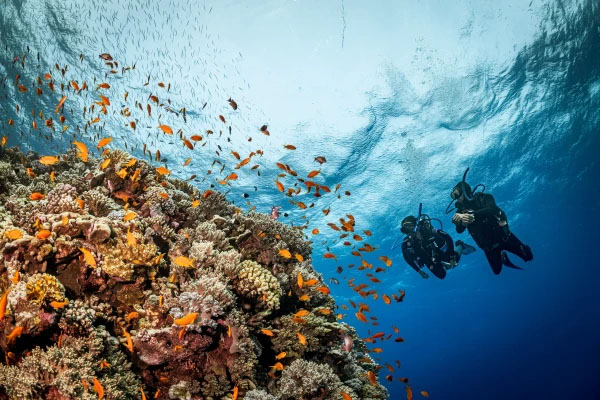
A Red Sea liveaboard adventure isn’t just a diving trip — it’s an underwater safari through one of the most biodiverse seas in the world. Stretching between Africa and Asia, the Red Sea is home to over 1,200 species of fish, with nearly 20% found nowhere else on Earth. Add in crystal-clear visibility, colorful coral reefs, and year-round warm waters, and you have a diver’s paradise waiting to be explored.
Whether you’re embarking on a liveaboard from Hurghada, Port Ghalib, or Marsa Alam, you’ll encounter an incredible variety of marine life — from majestic pelagics like oceanic whitetip sharks to delicate nudibranchs hiding among coral. In this guide, we’ll highlight the top marine species that make every Red Sea liveaboard unforgettable.
1. Oceanic Whitetip Sharks — The Red Sea’s Apex Predators
Few experiences rival the thrill of meeting an oceanic whitetip shark (Carcharhinus longimanus) in open blue water. These elegant predators are a signature encounter on Red Sea liveaboards, especially around offshore dive sites like Elphinstone Reef, Brothers Islands, and Daedalus Reef.
Recognized by their long, rounded fins and curious nature, oceanic whitetips are known for their slow, confident movements. Encounters often occur during deep blue dives or safety stops, making them a highlight for experienced divers seeking big pelagic sightings.
2. Hammerhead Sharks — The Schooling Spectacle
One of the most iconic sights in the Red Sea is a school of scalloped hammerhead sharks cruising effortlessly through the deep blue. These magnificent creatures are best spotted between May and August at remote dive sites like Daedalus Reef and Brothers Islands.
Hammerhead encounters are more common on liveaboard itineraries, as these boats reach the deep southern reefs far from shore-based diving zones. Seeing dozens of hammerheads glide past in formation is one of the most awe-inspiring moments a diver can experience.
3. Dolphins — The Playful Companions of the Red Sea
The Red Sea is famous for its resident dolphin pods, which often accompany divers and snorkelers during liveaboard trips. Species like spinner dolphins and bottlenose dolphins are frequently seen around Sataya Reef (Dolphin Reef) and Samadai Reef near Marsa Alam.
Many liveaboards include snorkeling excursions to dolphin hotspots, offering a magical opportunity to observe these intelligent mammals in their natural habitat.
4. Manta Rays — The Graceful Giants
Between April and September, lucky divers might encounter manta rays gliding through cleaning stations at Daedalus Reef, St. John’s, and Elphinstone. These gentle giants, with wingspans reaching up to 7 meters, move with elegance and curiosity.
Mantas are drawn to the Red Sea’s rich plankton blooms and are most often seen during drift dives or in channels with strong currents. A manta encounter on your Red Sea liveaboard is a memory you’ll never forget.
5. Hawksbill and Green Sea Turtles
Turtles are a regular sight on many Red Sea reefs, especially Hawksbill and Green turtles. These ancient mariners can be seen grazing on seagrass beds or resting under coral ledges.
Marsa Alam and Sharm El Sheikh offer reliable turtle encounters, but liveaboard divers often get closer looks at Brothers Islands and Daedalus, where turtles are less disturbed by heavy tourist traffic.
6. Napoleon Wrasse — The Gentle Giant of the Reef
One of the most recognizable and charismatic reef residents, the Napoleon wrasse (Cheilinus undulatus) is a favorite among underwater photographers. Males can grow over 2 meters long and are known for their curious personalities and distinctive hump on their foreheads.
Commonly found at Ras Mohammed, Abu Dabbab, and Brothers Islands, Napoleon wrasses often approach divers calmly, providing fantastic photo opportunities.
7. Reef Sharks — The Guardians of the Coral Walls
Beyond the pelagic species, several reef shark species call the Red Sea home, including grey reef sharks, blacktip reef sharks, and whitetip reef sharks.
Liveaboard itineraries often include dives along deep drop-offs and pinnacles where these sharks patrol. The Brothers Islands and Daedalus are especially known for consistent sightings, making them must-visit locations for shark enthusiasts.
8. Moray Eels — The Hidden Hunters
The Red Sea’s coral reefs are full of giant moray eels, often seen peeking out from crevices or gliding between coral heads at night. Despite their intimidating appearance, morays are generally shy and fascinating to watch during night dives.
Some of the largest individuals can grow over 3 meters long, making them one of the more dramatic encounters during a Red Sea night dive.
9. Colorful Reef Fish and Coral Gardens
The Red Sea is home to an explosion of color — from butterflyfish and parrotfish to lionfish and angelfish. Coral gardens in Ras Mohammed, Fury Shoals, and St. John’s Reef are teeming with life, creating a painterly backdrop for divers and photographers alike.
Over 200 species of coral thrive here, providing shelter for countless small fish and invertebrates. The vivid colors and clarity of the Red Sea make every dive feel like swimming inside a living aquarium.
10. Dugongs — The Gentle Sea Cows of Egypt
Though rare, divers occasionally spot dugongs — large, gentle marine mammals related to manatees — grazing on seagrass beds in Abu Dabbab Bay near Marsa Alam. These shy creatures are best seen early in the morning from liveaboard tenders or snorkeling tours.
Seeing a dugong in the wild is a once-in-a-lifetime moment that highlights the Red Sea’s ecological richness.
Conclusion
A Red Sea liveaboard isn’t just a diving holiday — it’s a journey through one of the most extraordinary marine ecosystems on Earth. From schools of hammerheads and oceanic whitetips to colorful coral gardens and curious dolphins, every dive brings something new and breathtaking.
Whether you’re a first-time diver or an experienced underwater photographer, the Red Sea’s marine life will captivate your imagination and keep you coming back for more. So pack your gear, book your liveaboard, and prepare to meet the ocean’s most magnificent residents up close.
