Top 5 Wreck Dives in Egypt for Liveaboard Divers
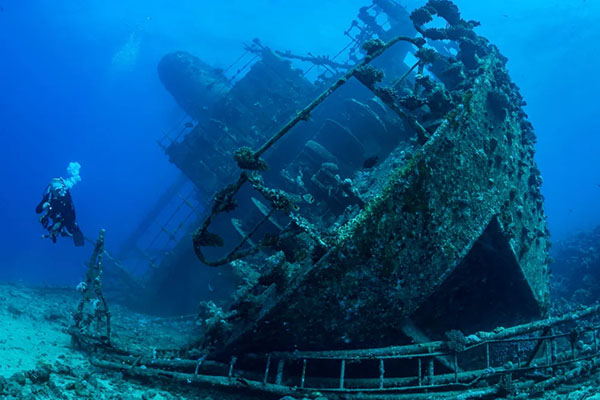
The Egypt (Red Sea) is world-famous for its vibrant coral reefs, diverse marine life, and clear waters. But for many divers, the real treasures lie beneath the surface in the form of historic shipwrecks. From World War II relics to ancient trading vessels, Egypt’s Red Sea offers some of the most spectacular wreck diving in the world.
A liveaboard trip is the best way to access these sites, as it allows you to visit multiple wrecks over several days without rushing. In this guide, we’ll explore the Top 5 Wreck Dives in Egypt that every liveaboard diver should experience.
1. SS Thistlegorm – The Crown Jewel of Red Sea Wreck Diving
Location: Northern Red Sea, near Sha’ab Ali
Depth: 16–33 meters
Skill Level: Advanced (due to depth and currents)
The SS Thistlegorm is arguably the most famous wreck dive in the world. A British WWII cargo ship sunk in 1941 by German bombers, it now rests at the bottom of the Red Sea, perfectly preserved in time.
Highlights:
- Military cargo including trucks, motorbikes, rifles, and even locomotives.
- Abundant marine life such as barracuda, snapper, and batfish.
- Stunning photo opportunities in the ship’s cargo holds and decks.
Why It’s Perfect for Liveaboards:
Due to its location, reaching the Thistlegorm from shore takes several hours, making liveaboards the most efficient way to get multiple dives here—including thrilling night dives.
2. Rosalie Moller – The Thistlegorm’s Sister Ship
Location: Gubal Island area
Depth: 30–50 meters
Skill Level: Technical/Advanced
Sunk just two days after the SS Thistlegorm, the Rosalie Moller is another WWII British cargo ship, resting deeper and less visited. This makes it a hidden gem for wreck enthusiasts.
Highlights:
- Dramatic structure covered in soft corals.
- Less crowded than the Thistlegorm.
- Sightings of giant trevally, barracuda, and the occasional reef shark.
Why It’s Perfect for Liveaboards:
Its remote location and deeper depth mean that day trips are rare. Liveaboards allow you to time your dives for optimal conditions.
3. Giannis D – The Photographers’ Favorite
Location: Abu Nuhas Reef
Depth: 4–27 meters
Skill Level: Open Water and above
The Giannis D is a Greek cargo ship that ran aground on Abu Nuhas Reef in 1983. Its broken structure now lies in three main sections, creating a fascinating underwater playground.
Highlights:
- Shallow depths make it ideal for long bottom times and photography.
- Schools of glassfish, lionfish, and nudibranchs.
- Opportunity to explore the engine room and bridge.
Why It’s Perfect for Liveaboards:
Abu Nuhas Reef is home to several wrecks (including the Carnatic and Chrisoula K), and a liveaboard lets you dive multiple sites here over one or two days.
4. Salem Express – A Wreck with a Story
Location: Safaga area
Depth: 10–32 meters
Skill Level: Advanced
The Salem Express is a modern passenger ferry that tragically sank in 1991, resulting in significant loss of life. Because of its history, it is considered a site of great respect.
Highlights:
Remarkably intact hull and superstructure.
Personal belongings and artifacts from passengers.
Often home to large groupers and schools of fish.
Why It’s Perfect for Liveaboards:
The Salem Express lies in the southern Red Sea, making it most accessible during southern itineraries or combined routes.
5. Dunraven – The Blend of Reef and Wreck
Location: Near Ras Mohammed National Park
Depth: 15–29 meters
Skill Level: Intermediate
The Dunraven was a British steamship that sank in 1876, carrying spices, cotton, and timber. Today, it’s beautifully encrusted with coral and surrounded by rich marine life.
Highlights:
Unique upside-down hull structure.
Combination of wreck and reef diving.
Frequent turtle and eel sightings.
Why It’s Perfect for Liveaboards:
It’s often combined with Ras Mohammed dives, making it an ideal part of a Northern liveaboard itinerary.
Tips for Wreck Diving in Egypt’s Red Sea
- Get Wreck Certified: Consider a PADI Wreck Diver or Advanced Open Water course for safe penetration dives.
- Check Conditions: Currents can be strong, especially around deeper wrecks.
- Bring a Dive Light: Essential for exploring dark holds and corridors.
- Respect the History: Especially at memorial wrecks like the Salem Express.
- Choose the Right Itinerary: Match your skill level and interest to the wrecks included.
Best Time to Dive Wrecks in Egypt
While the Red Sea offers year-round diving, April–June and September–November provide the best balance of calm seas, warm water, and excellent visibility.
Final Thoughts
The Egypt (Red Sea) is a wreck diver’s paradise, offering sites that blend history, marine biodiversity, and breathtaking underwater scenery. From the iconic SS Thistlegorm to the haunting Salem Express, each wreck tells a story waiting to be discovered.
For the ultimate experience, a liveaboard trip is the best choice—allowing you to dive multiple wrecks in one journey, often with the luxury of repeat dives on your favorites. Whether you’re a history buff, a photographer, or simply seeking adventure, the Red Sea’s wrecks promise an unforgettable diving holiday.
