
Sharks of the Red Sea: Best Liveaboard Routes for Big Encounters
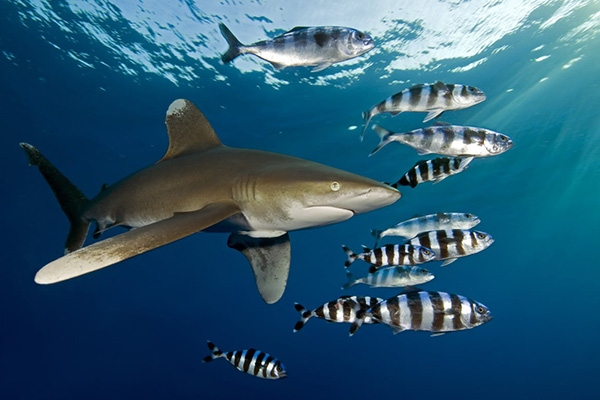
The Red Sea is a top destination for divers who dream of swimming alongside sharks in their natural habitat. With warm waters, stunning reefs, and diverse marine ecosystems, the Red Sea offers a chance to encounter a wide variety of shark species. The best way to maximize your chances of big encounters is through a liveaboard diving trip, which allows divers to reach remote, shark-filled sites far from the day-trip crowds.
From the adrenaline rush of spotting oceanic whitetips to the awe of watching hammerhead schools in the blue, liveaboards in the Red Sea bring divers face-to-face with some of the ocean’s most fascinating predators.
1. Sharks Commonly Seen in the Red Sea
The Red Sea is home to a wide range of shark species, making it a bucket-list destination for shark enthusiasts. Some of the most frequently encountered include:
- Oceanic Whitetip Sharks – Known for their bold behavior and distinctive rounded fins, they are most common around offshore islands like Elphinstone and the Brothers.
- Hammerhead Sharks – Scalloped hammerhead schools are often spotted in open blue waters, especially near Daedalus Reef.
- Grey Reef Sharks – Regularly seen patrolling drop-offs and strong current sites.
- Silky Sharks – Sleek and curious, often appearing on deep-water dives.
- Tiger Sharks & Thresher Sharks – Less common, but unforgettable when encountered, often in deep, remote sites.
- Whale Sharks – The gentle giants of the sea, occasionally seen in the northern Red Sea, particularly around spring.
2. Best Liveaboard Routes for Shark Encounters
While sharks can be spotted across the Red Sea, certain liveaboard itineraries provide the best opportunities for big encounters.
The Brothers Islands
Located off the coast of central Egypt, the Brothers are volcanic islands surrounded by deep waters. They are famous for:
- Oceanic whitetip sharks circling near the surface.
- Grey reef sharks patrolling steep walls.
- Occasional sightings of hammerheads and thresher sharks.
Strong currents and deep drop-offs make this a site for advanced divers, but the rewards are unparalleled.
Daedalus Reef
Daedalus is one of the best places in the world to see hammerheads. Here, divers often drift in the blue to watch entire schools of scalloped hammerheads glide past. Oceanic whitetips and silky sharks are also frequent visitors.
Because Daedalus is far offshore, only liveaboards can reach it, making it a true highlight of Red Sea shark diving.
Elphinstone Reef
This narrow reef is legendary for its shark encounters. Oceanic whitetips are a common sight, circling confidently near divers, while hammerheads sometimes make an appearance in deeper waters. The steep walls also attract grey reef sharks.
Elphinstone is often included in southern Red Sea liveaboard routes and is a must for shark enthusiasts.
St. John’s & Deep South
Located near the Sudanese border, the remote reefs of St. John’s are less crowded and offer encounters with grey reef sharks, hammerheads, and occasionally tiger sharks. The remoteness makes this route perfect for divers seeking untouched dive sites.
The North & Brothers Route
This itinerary combines famous wrecks with offshore shark sites, giving divers the best of both worlds—historical wreck diving and thrilling shark encounters.
3. Best Time to See Sharks in the Red Sea
Sharks can be spotted year-round in the Red Sea, but some seasons are better than others:
- Spring (April–June): Excellent for hammerheads at Daedalus and the Brothers.
- Summer (June–August): Warmer waters bring oceanic whitetips and silkies closer to divers.
- Autumn (September–November): Peak season for pelagic action—schools of hammerheads, reef sharks, and oceanic whitetips.
- Winter (December–March): Cooler water means fewer sightings, but whale sharks occasionally appear in northern areas.
4. Why Choose a Liveaboard for Shark Diving?
Day trips in the Red Sea rarely reach the offshore reefs where sharks thrive. Liveaboards, however, provide:
- Access to remote sites like the Brothers, Daedalus, and St. John’s.
- Multiple dives per day, increasing the chances of big encounters.
- Early morning dives when sharks are most active.
- Specialized shark itineraries tailored to maximize pelagic sightings.
For serious shark lovers, liveaboards are the only way to dive.
5. Safety and Responsible Shark Diving
Diving with sharks in the Red Sea is thrilling, but it’s important to follow safe and responsible practices:
- Maintain calm body language and avoid sudden movements.
- Never chase or attempt to touch sharks.
- Stay close to your dive group and follow the guide’s instructions.
- Avoid bright or shiny gear that could attract unnecessary attention.
- Respect the animals—remember, you are a guest in their home.
By practicing responsible diving, divers help ensure shark encounters remain safe and sustainable.
6. Why the Red Sea is a Shark Diving Hotspot
The Red Sea’s unique geography makes it one of the best shark diving destinations in the world:
- Deep oceanic drop-offs bring pelagic species close to shore.
- Warm water and strong currents create nutrient-rich environments.
- Protected marine parks help preserve shark populations.
- Diverse shark species ranging from whale sharks to oceanic whitetips.
Few destinations can match the combination of accessibility, diversity, and reliability that the Red Sea offers.
Final Thoughts
For divers seeking heart-pounding encounters with some of the ocean’s most iconic predators, the Red Sea is a dream come true. From schools of hammerheads at Daedalus to the bold oceanic whitetips of Elphinstone, every dive promises excitement and wonder.
The best way to experience these encounters is on a liveaboard route, which unlocks the most remote and shark-rich dive sites. Whether you’re an experienced shark diver or chasing your first big encounter, the sharks of the Red Sea will leave you with memories to last a lifetime.
