
Egypt Liveaboard vs. Land-Based Diving: Which is Right for You?
The Red Sea is one of the most famous diving destinations in the world, and Egypt is at its heart. From the bustling resort town of Hurghada to the world-class reefs of Marsa Alam and the remote sites of the Brothers Islands, Egypt offers an endless array of underwater adventures. But one key question every diver faces when planning their trip is: Should I go on a liveaboard or stay at a land-based resort?
Both options offer unique experiences, and the best choice depends on your diving goals, budget, and travel style. In this guide, we’ll break down the pros and cons of Egypt liveaboards vs. land-based diving so you can decide which is right for you.
What Is a Liveaboard in Egypt’s Red Sea?
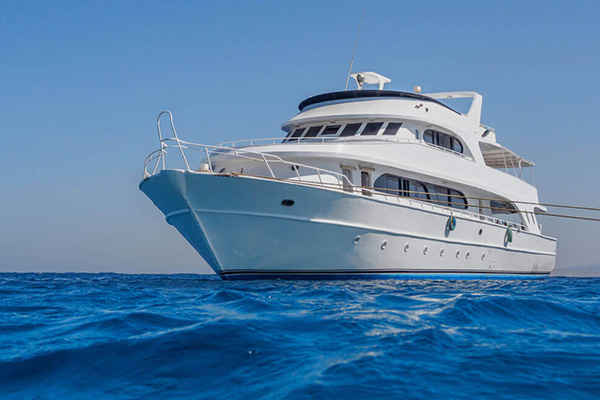
A liveaboard is a diving-focused vessel that serves as your hotel, restaurant, and dive center all in one. Instead of returning to shore each night, you eat, sleep, and dive directly from the boat. Liveaboards in Egypt typically run 7–10-day itineraries that take divers to remote sites like:
- The Brothers Islands
- Daedalus Reef
- Elphinstone
- St. John’s Reefs
- The SS Thistlegorm wreck
This means you’ll often dive spots that day boats can’t reach due to distance.
What Is Land-Based Diving in Egypt?
Land-based diving means staying in a hotel or dive resort and joining daily boat trips or house reef dives. Egypt’s coastline is lined with dive hubs like:
- Sharm El Sheikh – gateway to Ras Mohammed and Tiran.
- Hurghada – close to wrecks and reef systems.
- Marsa Alam – famous for dugongs, turtles, and Elphinstone.
These resorts cater to both beginners and experienced divers, often with flexible diving schedules.
Benefits of Liveaboard Diving in the Red Sea
1. Access to Remote Dive Sites
Liveaboards allow you to explore remote Red Sea reefs and islands that are impossible to reach with daily boats. This includes legendary locations like Daedalus and the Brothers Islands, known for sharks and pristine coral.
2. Maximum Diving Time
With up to four dives per day, including night dives, liveaboards maximize your underwater time. This is perfect if your main goal is intensive diving.
3. Uninterrupted Adventure
Since you’re already on the water, you skip long boat rides to dive sites. You wake up at your destination, ready to dive.
4. Social Atmosphere
Liveaboards attract passionate divers from all over the world. Sharing meals, dives, and downtime creates a strong sense of community.
5. All-Inclusive Experience
Most liveaboards include accommodation, meals, diving, and transfers, making planning easy and straightforward.
Benefits of Land-Based Diving in the Red Sea
1. Flexibility
Land-based diving is ideal if you want to mix diving with sightseeing, relaxation, or family activities. You’re not locked into a boat schedule and can choose when and how much you dive.
2. Comfort and Variety
Resorts often have larger rooms, pools, spas, and entertainment, making them a better fit for those who want a balance of diving and vacation luxury.
3. Cost-Effective for Fewer Dives
If you plan only a handful of dives during your trip, a land-based resort may be more affordable than committing to a full liveaboard itinerary.
4. Beginner-Friendly
Resorts cater to beginners with training courses, shallow house reefs, and easy access dives. This makes them perfect for new divers or families.
5. More Freedom
Want to skip a dive day? You can relax by the pool or explore Egyptian history, like the pyramids or Luxor, which is harder to do on a liveaboard schedule.
Drawbacks of Liveaboards
- Less Flexibility: Once you’re on board, you follow the set schedule.
- Limited Space: Cabins are compact compared to resort rooms.
- Not Ideal for Non-Divers: Unless your partner loves diving, they might find the experience restrictive.
- Motion Sickness: Those sensitive to seasickness may find it challenging.
Drawbacks of Land-Based Diving
- Longer Boat Rides: Daily trips can take hours to reach dive sites.
- Limited Access: Remote dive sites like St. John’s and Daedalus are usually out of reach.
- Fewer Dives Per Day: Typically 2–3 dives per day compared to 4 on a liveaboard.
- Crowds: Some popular reefs near resorts can be busy with many boats and divers.
Liveaboard vs. Land-Based Diving: Which Should You Choose?
The right choice depends on your diving style, budget, and travel goals.
Choose a Liveaboard in Egypt’s Red Sea if:
- You want to dive remote, world-class sites.
- Your priority is diving as much as possible.
- You enjoy being part of a small, dedicated dive group.
Choose Land-Based Diving in Egypt’s Red Sea if:
- You want to mix diving with relaxation and sightseeing.
- You’re a beginner or traveling with non-divers.
- You prefer more comfort and flexibility in your holiday.
Final Thoughts
Whether you choose a liveaboard or land-based diving in Egypt, the Red Sea guarantees incredible underwater adventures. Liveaboards offer unparalleled access to remote dive sites and more dives per day, making them ideal for hardcore divers. Resorts, on the other hand, give you flexibility, comfort, and variety, perfect for those who want a mix of diving and holiday relaxation.
Whichever option you pick, one thing is certain: the Red Sea’s marine life, vibrant reefs, and wrecks will leave you with unforgettable memories.
