
Discover the Untouched Dive Sites of Saudi Arabia by Liveaboard
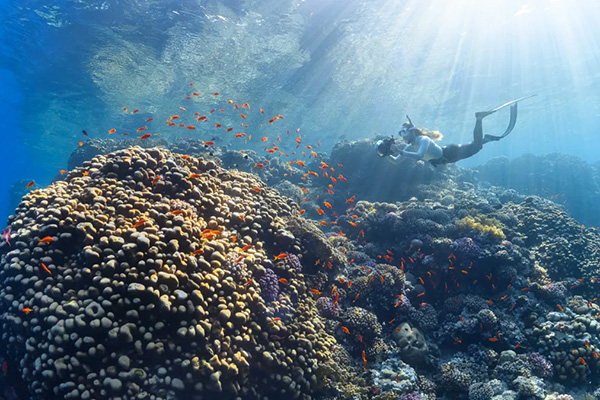
The Red Sea is famous worldwide for its crystal-clear waters, vibrant coral reefs, and rich marine biodiversity. For decades, divers have flocked to Egypt and Sudan to experience this underwater paradise. But there’s a part of the Red Sea that remains largely unexplored—the Saudi Arabian coastline.
Stretching for over 1,800 kilometers, Saudi Arabia’s Red Sea waters are home to some of the most pristine and untouched dive sites in the world. And there’s no better way to explore them than on a liveaboard diving trip. From remote coral gardens to dramatic drop-offs teeming with marine life, Saudi Arabia offers a unique Red Sea experience without the crowds.
Why Choose a Liveaboard in Saudi Arabia?
A liveaboard allows divers to access remote dive sites that are often unreachable on day trips. In Saudi Arabia, this means exploring untouched reefs, vibrant pinnacles, and sites where you might be the only divers for miles.
Key Benefits of a Saudi Arabia Liveaboard:
- Exclusive Access: Many dive sites have been rarely visited by recreational divers.
- Pristine Reefs: Minimal tourism means corals are in exceptional condition.
- Unique Wildlife Encounters: From pelagic fish to macro species, the biodiversity is remarkable.
- Comfortable Travel: Your accommodation, meals, and dive operations are all onboard.
Top Untouched Dive Sites in Saudi Arabia’s Red Sea
While the dive industry in Saudi Arabia is still growing, several spectacular areas have already been identified as world-class diving destinations.
1. Farasan Banks
Located off the southwestern coast, the Farasan Banks are a diver’s dream—an archipelago of small islands, reefs, and lagoons teeming with marine life. Expect:
- Vibrant hard and soft corals
- Large schools of barracuda and jackfish
- Occasional sightings of whale sharks during certain seasons
The reefs here are unspoiled, with excellent visibility and very little boat traffic.
2. Yanbu’s Seven Sisters
Near the city of Yanbu, the Seven Sisters is a series of spectacular reef pinnacles rising from the depths. Divers can encounter:
- Reef sharks patrolling the drop-offs
- Healthy coral formations in vivid colors
- Napoleon wrasse, turtles, and tuna
This site offers dramatic underwater topography and thrilling drift dives.
3. Shi’b Abu Madafi
This large reef system in the central Red Sea is known for:
- Huge coral bommies
- Massive schools of snappers and fusiliers
- Eagle rays and reef sharks in the blue
Its size means multiple dive sites in one location, perfect for liveaboard itineraries.
4. Al Lith and the South
South of Jeddah, Al Lith offers seasonal whale shark sightings and a mix of reef and pelagic life. Many liveaboards visit this region for:
- Large pelagic fish
- Manta ray cleaning stations
- Colorful coral gardens
Marine Life in Saudi Arabia’s Red Sea
Saudi Arabia’s Red Sea waters host an incredible variety of marine life, similar to other parts of the Red Sea but with the added bonus of less human impact. Divers can expect:
- Large Pelagics: Reef sharks, hammerheads, and tuna
- Macro Critters: Nudibranchs, pipefish, and shrimp
- Reef Residents: Clownfish, angelfish, and parrotfish
- Seasonal Visitors: Whale sharks (especially in spring and early summer)
Best Time to Dive Saudi Arabia by Liveaboard
The diving season in Saudi Arabia is year-round, but conditions vary:
- October–May: Best visibility, cooler water (24–27°C), great for wide-angle photography.
- June–September: Warmer water (up to 31°C), some sites have more plankton, attracting whale sharks and mantas.
Tip: The shoulder months (October–November and March–May) often offer the best combination of calm seas, warm water, and abundant marine life.
What to Expect on a Saudi Arabia Liveaboard
Liveaboards in Saudi Arabia range from luxury yachts to more modest vessels, but most include:
- Air-conditioned cabins
- Full-board meals
- Dive deck with tanks, weights, and sometimes rental gear
- Experienced guides with local knowledge
Daily schedules usually include 3–4 dives, including night dives.
Travel and Entry Requirements
Saudi Arabia is increasingly welcoming international tourists. You’ll need:
- Visa: Many nationalities can apply for an eVisa online.
- Dive Certification: Most liveaboards require at least an Open Water certification, with Advanced Open Water recommended for deeper or drift dives.
- Travel Insurance: Dive-specific coverage is recommended.
Tips for First-Time Saudi Arabia Liveaboard Divers
- Book Early: The liveaboard industry is still developing, so spots are limited.
- Bring a Reef Hook: Some dives have strong currents.
- Respect Local Customs: Saudi Arabia has conservative cultural norms; dress modestly when on land.
- Check Equipment: Rental gear availability can vary—bring your own if possible.
- Hydrate Often: The climate can be hot, especially in summer.
Why Now is the Best Time to Dive Saudi Arabia
Unlike Egypt’s Red Sea coast, which has been popular for decades, Saudi Arabia’s dive tourism is still in its early stages. This means:
- You’ll see reefs in near-pristine condition.
- You’ll enjoy quiet dive sites without large crowds.
- You’ll be part of the first generation of divers to explore these locations.
In the next decade, as tourism grows, these sites may see more divers. Now is the perfect opportunity to experience untouched Red Sea diving.
Final Thoughts
Exploring the untouched dive sites of Saudi Arabia by liveaboard is a rare opportunity for adventurous divers seeking pristine reefs, vibrant marine life, and exclusive experiences. The Red Sea here is every bit as spectacular as its more famous neighbors—but without the crowds.
From the coral gardens of Farasan Banks to the dramatic pinnacles of Yanbu’s Seven Sisters, every dive brings a new surprise. Whether you’re drifting alongside a school of barracuda, photographing a shy nudibranch, or gliding with a manta ray, Saudi Arabia offers a Red Sea diving experience like no other.
If you’ve been dreaming of diving somewhere truly special, pack your gear and set sail on a liveaboard in Saudi Arabia—you’ll return with stories few other divers can tell.
