
Comparing Liveaboard Experiences in Saudi Arabia and Egypt
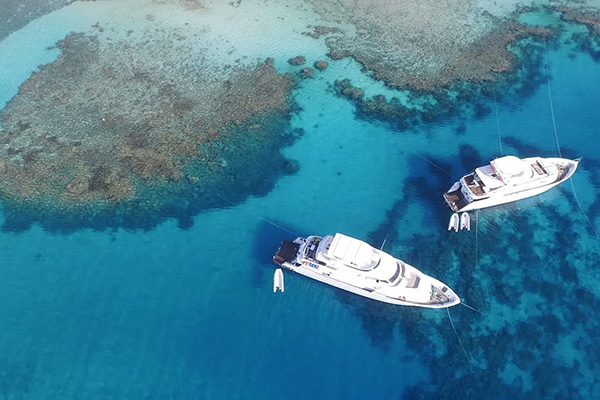
The Red Sea is one of the world’s most famous diving destinations, offering crystal-clear waters, vibrant coral reefs, and incredible marine biodiversity. But when planning a liveaboard trip, divers often face the big question: Should I dive in Saudi Arabia or Egypt?
Both countries share the Red Sea’s beauty but offer unique liveaboard experiences, from the types of dive sites you’ll explore to the level of tourism infrastructure and the overall atmosphere. In this guide, we’ll break down the key differences to help you choose the best liveaboard adventure for your diving style and interests.
1. Dive Site Variety
Saudi Arabia (Red Sea)
- Pristine, Uncrowded Reefs: Saudi Arabia has only recently opened up to international tourism, which means many of its dive sites remain untouched by mass tourism.
- Unique Coral Formations: Expect spectacular walls, vibrant soft corals, and dramatic drop-offs.
- Less Wreck Diving: While there are wrecks, the focus is more on natural reef ecosystems.
Egypt
- World-Famous Dive Sites: Egypt’s Red Sea is home to globally recognized locations like Ras Mohammed National Park, the Brothers Islands, and Elphinstone Reef.
- Wreck Diving Paradise: Egypt is famous for wrecks like the SS Thistlegorm, Dunraven, and Rosalie Moller.
- Well-Established Routes: Most liveaboards follow tried-and-tested itineraries with a mix of reefs, drift dives, and wrecks.
Verdict:
If you want uncrowded, untouched reefs, Saudi Arabia is the winner. If you want famous dive spots and world-class wrecks, Egypt takes the lead.
2. Marine Life Encounters
Saudi Arabia (Red Sea)
- Pelagic Encounters: Expect sightings of hammerhead sharks, whale sharks (seasonally), and mantas.
- Healthy Coral Ecosystems: Minimal diver impact means healthier corals and thriving reef fish populations.
- Rare Species: Certain species are more common here due to limited fishing and low tourism pressure.
Egypt
- Abundant Reef Life: You’ll see colorful anthias, bannerfish, and clownfish in abundance.
- Shark Hotspots: Oceanic whitetips, hammerheads, and reef sharks are common in offshore dive sites.
- Seasonal Big Animals: Manta rays and whale sharks can also be spotted during certain months.
Verdict:
Both destinations are excellent for marine life, but Saudi Arabia offers a wilder, more untouched feel, while Egypt delivers high-density reef fish and famous shark dives.
3. Diving Conditions
Saudi Arabia (Red Sea)
- Water Temperature: 24°C–30°C depending on the season.
- Visibility: Often 20–30 meters thanks to low pollution and fewer boats.
- Currents: Some sites have strong currents, ideal for drift dives but requiring experience.
Egypt
- Water Temperature: 22°C–30°C, similar to Saudi Arabia.
- Visibility: 15–30 meters, though some busy areas can have reduced visibility due to boat traffic.
- Currents: Wide variety—calm reef dives to challenging offshore currents.
Verdict:
Conditions are similar, but Saudi Arabia often offers more consistent high visibility due to fewer divers and boats.
4. Liveaboard Comfort & Service
Saudi Arabia (Red Sea)
- Newer Boats: Since the liveaboard industry here is newer, many vessels are modern and well-equipped.
- Luxury Focus: Most operators cater to mid-to-high-end travelers with spacious cabins and high service standards.
- Limited Fleet: Fewer boats mean fewer itinerary options, but also fewer crowds.
Egypt
- Large Fleet Variety: Options range from budget to ultra-luxury, catering to every budget.
- Experienced Crews: Decades of diving tourism mean highly skilled dive guides and well-trained crews.
- High Competition: More boats mean more competitive prices, especially outside peak season.
Verdict:
Choose Saudi Arabia if you want a newer, boutique liveaboard experience. Choose Egypt if you want more variety and competitive pricing.
5. Accessibility & Travel Logistics
Saudi Arabia (Red Sea)
- International Flights: Jeddah and Yanbu are common gateways. Direct flights are increasing but still fewer than Egypt.
- Visas: Many nationalities can apply for an eVisa.
- Tourism Infrastructure: Growing rapidly but still less developed than Egypt.
Egypt
- Easy Access: Hurghada and Marsa Alam are major diving hubs with plenty of direct flights.
- Visas on Arrival: Simple for most nationalities.
- Well-Established Tourism: Hotels, dive centers, and transfer services are plentiful.
Verdict:
Egypt wins for ease of travel and established infrastructure, while Saudi Arabia appeals to those willing to go off the beaten path.
6. Cost Comparison
Saudi Arabia (Red Sea)
- Liveaboard Prices: Generally higher due to limited supply and newer boats.
- Additional Costs: Flights and visas can be more expensive.
- Value: You’re paying for exclusivity and pristine sites.
Egypt
Liveaboard Prices: Wide range, with budget trips starting much lower.
Additional Costs: Affordable domestic transfers, cheaper flights.
Value: Excellent price-to-experience ratio.
Verdict:
Egypt is more budget-friendly, while Saudi Arabia is more exclusive.
7. Atmosphere & Experience
Saudi Arabia (Red Sea)
- Adventurous & Remote: Feels like exploring a hidden frontier of diving.
- Low Tourist Numbers: Offers peace, quiet, and immersion in nature.
Egypt
- Social & Lively: You’ll meet many fellow divers from around the world.
- Bustling Dive Scene: More activity both underwater and onshore.
Verdict:
Go for Saudi Arabia if you want serenity and exploration, or Egypt if you enjoy a lively diving community.
Final Recommendation
If you’re a diver looking for untouched reefs, exclusivity, and a sense of adventure, choose a Saudi Arabia (Red Sea) liveaboard. But if you want world-famous dive sites, more itinerary choices, and great value for money, an Egyptian liveaboard might be your best match.
Many experienced divers eventually choose to explore both—Egypt for its legendary wrecks and bustling dive scene, and Saudi Arabia for its wild, pristine underwater landscapes.
