
Best Red Sea Liveaboard Routes: North, South, or Both?
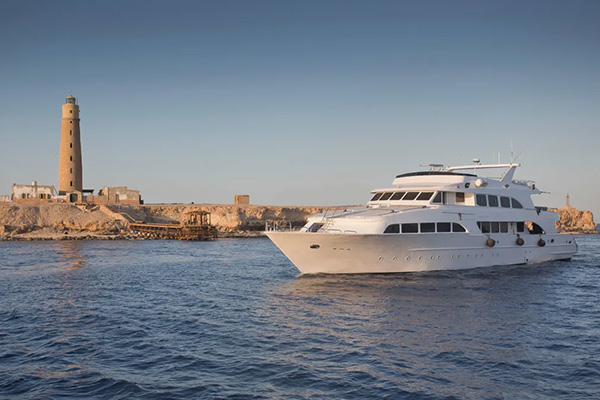
The Egypt (Red Sea) is a dream destination for scuba divers around the globe. With year-round warm waters, crystal-clear visibility, vibrant reefs, and an abundance of marine life, it’s no surprise that liveaboard diving here is world-class. But when it comes to choosing your itinerary, one question always arises: Should you go North, South, or combine both?
Each region offers a unique diving experience, from iconic wrecks and accessible reefs to remote pinnacles and big pelagic encounters. This guide will help you understand the strengths of each route so you can make the best decision for your Red Sea liveaboard adventure.
1. Why Choosing the Right Route Matters
The Red Sea spans over 2,000 km, but Egypt’s main diving areas are divided into two distinct zones: Northern Red Sea and Southern Red Sea. While both are spectacular, your experience will differ greatly depending on your chosen route. Factors to consider include:
- Your diving experience level
- Preferred marine life encounters
- Interest in wrecks vs. reefs
- Season and weather conditions
- Budget and trip duration
2. Northern Red Sea Liveaboard Routes
Overview
The Northern Red Sea is perfect for divers seeking a balance between wrecks, reefs, and marine life. It’s more accessible, often with calmer seas, and is suitable for a wider range of skill levels.
Highlights
- Ras Mohammed National Park – Pristine reefs, massive schools of fish, and dramatic drop-offs.
- SS Thistlegorm Wreck – A world-famous WWII wreck, loaded with trucks, motorbikes, and military artifacts.
- Abu Nuhas – The “Ship Graveyard” with four easily accessible wrecks in one area.
- Tiran Straits – Gorgeous coral gardens and occasional shark sightings.
Who It’s For
- Beginner to intermediate divers
- Wreck enthusiasts
- Photographers looking for colorful reefs and schools of fish
- Divers prone to seasickness (calmer waters)
3. Southern Red Sea Liveaboard Routes
Overview
The Southern Red Sea offers remote, untouched dive sites, thrilling drift dives, and some of the best big animal encounters in the region. Trips here are more suited to experienced divers due to longer transits and stronger currents.
Highlights
- Brothers Islands – Famous for hammerheads, oceanic whitetip sharks, and colorful soft corals.
- Daedalus Reef – A hotspot for large pelagics like manta rays, hammerheads, and thresher sharks.
- Elphinstone Reef – Dramatic walls, rich coral coverage, and high chances of shark encounters.
- St. John’s Reefs – Remote coral gardens, caves, and fewer crowds.
Who It’s For
Advanced divers with drift dive experience
Shark and pelagic lovers
Divers seeking remote, pristine locations
Those willing to spend more time at sea
4. Combined North & South Red Sea Routes
Overview
Some itineraries combine Northern wrecks with Southern reefs and pelagic hotspots. These trips are usually longer (10–14 days) and offer the best of both worlds.
Highlights
- Wrecks of the North followed by shark diving in the South
- Broad variety of dive sites: history, reefs, drift dives, and big animal action
- Opportunities for extended underwater photography portfolios
Who It’s For
- Divers with plenty of vacation time
- Those who want a full Red Sea experience in one trip
- Experienced divers with good stamina for multiple days of diving
5. Best Time to Dive Each Region
- North: Year-round, though summer offers calmer seas and excellent visibility.
- South: Best between March–June and September–November for pelagic encounters.
- Combined: Align your trip with the Southern Red Sea’s prime seasons to maximize sightings.
6. Cost Considerations
- Northern trips are generally more affordable due to shorter travel distances.
- Southern itineraries may cost more due to fuel, distance, and exclusivity.
- Combined trips have higher prices but offer more variety, potentially saving you from booking two separate trips.
7. Tips for Choosing the Right Red Sea Liveaboard Route
- Match Your Skill Level: If you’re new to diving, the North is a safer choice.
- Define Your Goals: Wreck diving fans will love the North; shark lovers should head South.
- Consider Time & Budget: If you can afford both time and money, a combined trip delivers maximum variety.
- Check Operator Credentials: Ensure the liveaboard is reputable, licensed, and safety-focused.
- Look at Seasonal Marine Life Patterns: Certain times of year increase your chances of specific sightings.
Final Thoughts
Choosing between North, South, or a combined Red Sea liveaboard route in Egypt comes down to your diving preferences, skill level, and available time.
- Go North if you want accessible diving, famous wrecks, and colorful reefs.
- Go South if you crave thrilling drift dives, big animal encounters, and remote sites.
- Go Both if you want the ultimate Red Sea dive experience and have at least 10 days.
Whichever route you choose, the Egypt (Red Sea) promises some of the most spectacular diving in the world—delivering an unforgettable underwater adventure.
