
A Week on an Egyptian Red Sea Liveaboard: What to Expect
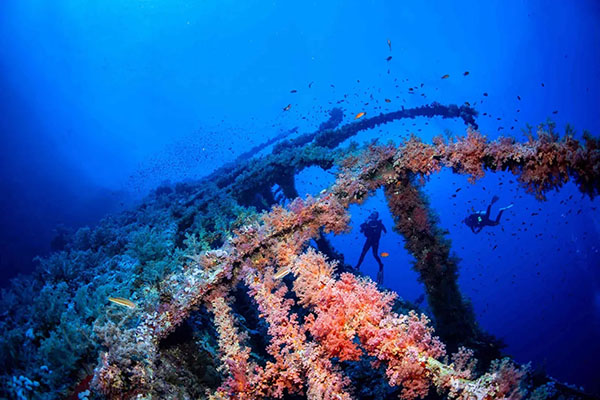
The Egypt (Red Sea) is a diver’s paradise—crystal-clear waters, dramatic coral reefs, historic wrecks, and an abundance of marine life. For many scuba enthusiasts, a week-long liveaboard trip is the ultimate way to experience it all.
If you’re wondering what exactly happens during a week on an Egyptian Red Sea liveaboard, this detailed guide will walk you through day-to-day life onboard, dive schedules, accommodations, food, safety, and the unforgettable underwater experiences you can look forward to.
Why Choose a Liveaboard in the Egypt (Red Sea)?
While day trips from coastal towns like Hurghada, Sharm El Sheikh, or Marsa Alam are great for short visits, they limit how far you can travel. A liveaboard takes you directly to remote and pristine dive sites—places you can’t reach in a single day.
Liveaboards allow you to:
- Dive 3–4 times per day including night dives
- Spend more time at famous sites without rushing
- Reach less crowded, more pristine reefs
- Enjoy a fully immersive dive holiday experience
Arrival and Boarding – Day 1
Your adventure typically begins in Hurghada, Port Ghalib, or Sharm El Sheikh, where you’ll meet the crew and fellow divers. On the first day:
- You’ll check in, show your dive certification, and complete safety forms
- The crew will give you a boat orientation and safety briefing
- You’ll set up your dive gear and get assigned your cabin
The first night is usually spent docked in port, giving you time to get settled before an early morning departure.
Typical Daily Schedule on a Red Sea Liveaboard
While every liveaboard varies slightly, most follow a routine that maximizes dive time while leaving room for relaxation:
- 06:00 – Wake Up & Light Breakfast
Tea, coffee, and light snacks to fuel your first dive. - 06:30 – First Dive of the Day
Early dives often have the best visibility and marine life activity. - 08:00 – Full Breakfast
A hearty meal of eggs, bread, fruits, and Egyptian specialties. - 10:00 – Second Dive
Often at a different site nearby—could be a reef wall, wreck, or drift dive. - 12:30 – Lunch & Rest
A hot meal, followed by downtime for napping, sunbathing, or chatting with fellow divers. - 14:00 – Third Dive
Mid-afternoon dives can be more relaxed, with calm conditions. - 16:30 – Snacks & Relaxation
Enjoy tea, coffee, and sweets while reviewing photos or logbooks. - 18:00 – Night Dive (Optional)
A chance to see nocturnal creatures like octopuses, Spanish dancers, and hunting lionfish. - 19:00 – Dinner
Often the highlight meal, with a variety of Egyptian and international dishes.
Evening – Social Time or Rest
Some guests stay up chatting on deck, while others turn in early for the next day’s dives.
Dive Sites You May Visit in a Week
The exact itinerary depends on your chosen route, weather, and skill level, but popular sites include:
- SS Thistlegorm – The most famous wreck in the Red Sea, filled with WWII artifacts.
- Ras Mohammed National Park – Stunning coral walls and huge schools of fish.
- Brothers Islands – Remote offshore pinnacles with pelagic encounters.
- Daedalus Reef – Known for hammerhead sharks and beautiful hard corals.
- St. John’s Reefs – Pristine, colorful coral gardens in the far south.
Accommodation and Comfort
Even on budget-friendly liveaboards, you’ll find:
- Air-conditioned cabins with twin or double beds
- Private or shared bathrooms depending on the boat category
- Common lounge areas for relaxing between dives
- Sun decks for tanning or stargazing at night
Higher-end vessels may also offer hot tubs, larger cabins, and more luxurious furnishings.
Food and Dining
Meals on Egyptian Red Sea liveaboards are plentiful and varied, typically included in the trip price:
- Breakfasts – Eggs, breads, fruit, cereals, and spreads
- Lunches & Dinners – Freshly cooked meats, fish, pasta, rice, and salads
- Snacks – Cookies, cakes, and fruit available throughout the day
Special dietary needs are usually accommodated if requested in advance.
Marine Life You Can Expect to See
The Egypt (Red Sea) is home to an extraordinary range of creatures, such as:
- Reef fish like butterflyfish, angelfish, and parrotfish
- Larger species like dolphins, turtles, and manta rays
- Sharks including hammerheads, reef sharks, and oceanic whitetips
- Macro life like nudibranchs, shrimps, and seahorses
Every dive offers something different, so bring your camera!
Safety and Dive Briefings
Safety is a top priority on all reputable liveaboards. Before every dive, your guide will provide:
- Detailed site information (depth, currents, entry/exit points)
- Hazards and safety tips
- Marine life highlights
Boats are equipped with oxygen kits, first aid supplies, and communication systems for emergencies.
Tips for Making the Most of Your Week
- Pack smart – Bring reef-safe sunscreen, a hat, and your own dive computer.
- Stay hydrated – The sun and saltwater can cause dehydration quickly.
- Listen to your guides – Their advice will help you dive safely and spot the best marine life.
- Log your dives daily – It’s easy to forget the details after multiple dives.
- Enjoy the downtime – Sunrises, sunsets, and stargazing are just as magical as the dives.
Final Thoughts
A week on an Egypt (Red Sea) liveaboard is more than just a diving trip—it’s a complete immersion into the beauty of the underwater world. You’ll dive some of the most famous reefs and wrecks in the world, meet like-minded travelers, and enjoy the comfort of having everything taken care of for you.
Whether you’re drawn by the history of the wrecks, the thrill of pelagic encounters, or the serene beauty of coral gardens, a Red Sea liveaboard is an unforgettable experience that belongs on every diver’s bucket list.
