How to Stay Safe and Healthy on a Liveaboard Trip
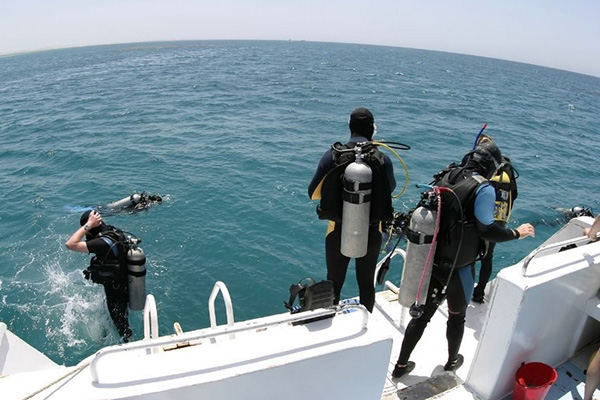
The Red Sea is one of the most captivating diving destinations on the planet — a place where crystal-clear waters meet thriving coral reefs and colorful marine life. Joining a liveaboard trip in Egypt is the ultimate way to explore it all, offering access to remote dive sites like Brothers Islands, Daedalus Reef, and St. John’s.
However, a liveaboard experience is also unique in that you’ll be living, eating, and diving from a boat for several days or even weeks. Ensuring your safety and health while onboard is crucial for making the most of your Red Sea adventure.
This comprehensive guide will show you exactly how to stay safe, healthy, and dive-ready during your Red Sea liveaboard trip.
1. Choose a Reputable Liveaboard Operator
Safety begins before you ever set foot on the boat. Choosing the right liveaboard operator can make all the difference.
When booking your trip:
- Check safety certifications such as ISO, PADI, or SSI recognition.
- Ensure the vessel meets Egyptian maritime safety standards and carries proper life rafts and oxygen kits.
- Read recent reviews from other divers (TripAdvisor, LiveAboard.com, etc.) about the crew, equipment, and maintenance.
- Look for operators offering comprehensive dive briefings and emergency response training.
A reputable operator prioritizes diver safety above all — no cutting corners, no overbooked itineraries.
2. Prioritize Dive Safety: Plan, Monitor, and Breathe
Even the most experienced divers can face challenges when conditions change. In the Red Sea, currents, depths, and marine traffic can all affect your dives.
Here are essential tips to stay safe underwater:
- Stick to the dive plan: Always follow your dive guide’s plan and never exceed your depth limits.
- Monitor your air and no-deco time: Don’t rely solely on your buddy — check your gauges frequently.
- Avoid overexertion: The Red Sea’s warm water can be deceptive. Stay calm, breathe slowly, and maintain neutral buoyancy.
- Be aware of currents: Sites like Brothers or Daedalus can have strong drift conditions — use a reef hook if needed.
- Use a surface marker buoy (SMB): Always carry one for safety during ascent, especially in open sea conditions.
3. Stay Hydrated and Eat Well
Dehydration is a common problem on liveaboards, particularly in Egypt’s dry desert climate. It increases your risk of decompression sickness (DCS) and fatigue.
- Drink plenty of water throughout the day — at least 2–3 liters daily.
- Avoid excessive coffee, tea, or alcohol, as these can dehydrate you.
- Eat balanced meals — most Red Sea liveaboards offer nutritious buffets with fresh fruits, vegetables, and proteins.
- If you’re vegetarian, vegan, or have food allergies, inform your crew before boarding.
A well-nourished and hydrated body recovers faster and performs better underwater.
4. Manage Seasickness Before It Starts
Even seasoned divers can get seasick on long Red Sea crossings, especially during windy months (March–May and October–December).
- To prevent motion sickness:
- Take seasickness medication (like Dramamine or Scopolamine) before boarding, not after symptoms start.
- Choose lower-deck cabins for less boat movement.
- Keep your eyes on the horizon and avoid reading during rough seas.
- Eat light meals and avoid greasy or heavy food before diving.
- Use ginger tea or natural remedies as a gentle alternative.
If you’re prone to motion sickness, let the crew know — they’ll help you stay comfortable during crossings.
5. Protect Your Skin and Body
Sun and saltwater exposure are constant companions on a Red Sea liveaboard. While it feels amazing to soak in the sun, too much can lead to dehydration, heatstroke, or painful sunburn.
Here’s how to stay protected:
- Apply reef-safe sunscreen (SPF 30+) before every dive.
- Wear a hat, sunglasses, and a long-sleeve rash guard on deck.
- Shower after every dive to remove saltwater and prevent skin irritation.
- Moisturize your skin regularly with aloe vera or hydrating lotion.
Pro tip: Bring lip balm with SPF — the Red Sea’s dry winds can easily chap your lips.
6. Bring a Small First Aid and Dive Kit
While every liveaboard carries a medical kit, having your own personal first aid items is smart.
Pack these essentials:
- Motion sickness tablets
- Reef-safe sunscreen
- Antihistamines (for allergies)
- Painkillers and anti-inflammatory medication
- Antiseptic cream and band-aids
- Ear drops and nasal spray (to prevent infections)
- Electrolyte packets (for dehydration)
- Spare mask strap, O-rings, and defog solution
Having your own mini kit ensures you can handle minor issues without relying on the crew for everything.
7. Respect Marine Life and Dive Responsibly
The Red Sea is home to some of the most diverse marine ecosystems in the world — from hammerhead sharks to vibrant coral gardens. To keep both you and the reef safe:
- Never touch or chase marine animals.
- Maintain proper buoyancy control to avoid contact with coral.
- Use a reef-safe sunscreen to prevent chemical damage.
- Don’t collect shells, coral, or sand as souvenirs.
- Follow all dive guide instructions during shark or dolphin encounters.
Responsible diving ensures these beautiful ecosystems remain healthy for future generations.
8. Listen to Your Body and Rest When Needed
A liveaboard can be physically demanding — multiple dives per day, long crossings, and early wake-ups.
- Take rest days if you feel tired or congested.
- Skip a dive if you’re not feeling 100%. Safety always comes before “just one more dive.”
- Get plenty of sleep; the Red Sea sunrise dives are magical but require energy and focus.
Remember: even professional divers take rest days. Your body will thank you.
9. Know the Emergency Procedures
Every diver should be familiar with basic emergency protocols on a liveaboard:
- Know the location of oxygen tanks, first aid kits, and emergency exits.
- Understand decompression illness (DCI) symptoms and inform the crew immediately if you feel unwell.
- The nearest hyperbaric chambers in Egypt are in Hurghada, Marsa Alam, and Sharm El Sheikh — your crew will coordinate in case of emergency.
- Always carry dive insurance that covers hyperbaric treatment and evacuation.
Preparation is the best way to minimize risk and ensure peace of mind.
Conclusion
A Red Sea liveaboard is one of the most exciting and rewarding adventures any diver can experience — but it’s essential to keep safety and health at the forefront.
By staying hydrated, respecting marine life, managing your physical well-being, and choosing a trusted operator, you’ll not only dive safely but also enjoy every moment of your journey.
With the right precautions, your Red Sea liveaboard trip will be filled with stunning coral walls, incredible marine encounters, and memories that last a lifetime.
