
A Day in the Life of a Dive Guide on a Red Sea Liveaboard
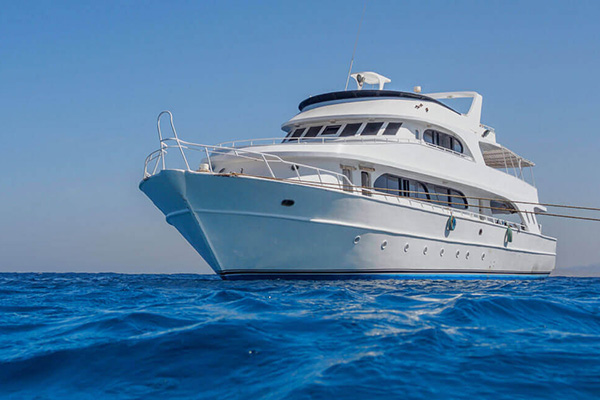
The Red Sea is one of the world’s most spectacular diving destinations — a paradise of vibrant coral reefs, mysterious wrecks, and marine megafauna. But while divers enjoy their week-long underwater adventures aboard luxury liveaboards, a dedicated team works tirelessly to make each trip smooth, safe, and unforgettable.
Among them, the dive guide is the heart and soul of the experience — leading dives, ensuring safety, spotting marine life, and sharing knowledge about Egypt’s underwater wonders.
So, what does a typical day look like for a dive guide on a Red Sea liveaboard? Let’s dive in and find out.
Early Morning: Sunrise and First Dive Prep
For dive guides, the day starts before sunrise — usually around 5:30 or 6:00 a.m. While guests are still stretching and sipping their first coffee, the guide is already busy planning the first dive.
Morning Tasks Include:
- Checking weather and sea conditions
- Preparing dive equipment and safety gear
- Coordinating with the boat captain for site positioning
- Reviewing dive plans and emergency procedures
By the time divers gather on deck for the first briefing, the guide has already mapped out the dive profile, entry points, and exit routes. They also identify potential hazards, like currents or limited visibility, to ensure everyone enjoys a safe experience.
After the briefing, the guide leads the first dive — often a calm morning descent over coral gardens or a famous reef, where fish are most active.
As divers explore, the guide not only ensures safety but also points out hidden marine life — nudibranchs, moray eels, camouflaged scorpionfish, or a passing turtle. Their sharp eyes and local knowledge turn every dive into a discovery.
Post-Dive: Breakfast and Gear Checks
Once everyone’s back on board, the guide helps divers remove and rinse their equipment. While guests enjoy a hearty breakfast, the guide quickly logs the dive details — depths, times, conditions, and any issues that occurred underwater.
Guides also use this time to plan the second dive, adjusting based on guest feedback and skill levels. For example, if the first dive involved deeper currents, the next might be shallower or slower-paced.
Liveaboard guides know how to balance adventure and comfort — keeping everyone excited while ensuring no one feels overexerted.
Late Morning: Second Dive and Guest Interaction
By mid-morning, it’s time for Dive 2. This could be a wreck exploration at Abu Nuhas, a drift dive at Ras Mohammed, or a pelagic hotspot like The Brothers. Each dive is carefully selected to showcase the Red Sea’s diversity.
During the dive:
- The guide monitors air consumption and time for each buddy pair.
- They lead divers through the site, following the planned route.
- They help photographers position themselves for the perfect shot.
Back on board, guides often spend time chatting with guests — sharing marine facts, identifying fish from photos, or answering questions about the next site. These small interactions create trust and friendship, which are vital on a week-long liveaboard trip.
Afternoon: Lunch, Relaxation, and Dive 3
After the second dive, lunch is served, and it’s the guide’s short window to rest — but the work never fully stops. They check air tanks, refill equipment, and review conditions for the third dive.
Guides also brief the crew and captain on anchor changes or site relocation. Communication between the guide and boat staff is crucial to keep the day’s schedule running smoothly.
The third dive — usually around 3:00 p.m. — is a highlight for many guests. It may feature colorful coral pinnacles, reef walls, or shark sightings.
Dive guides are natural multitaskers here — keeping an eye on safety while pointing out exciting marine life like:
- Napoleon wrasse cruising the reef
- Schools of bannerfish swaying with the current
- Curious dolphins joining the dive unexpectedly
When guests resurface, their excitement reflects the guide’s skill — the ability to make each dive unique, safe, and memorable.
Evening: Night Dive and Debriefing
After a short rest and snack, many liveaboards offer an optional night dive. This is one of the most thrilling parts of the day — and one that requires extra vigilance from the dive guide.
Before nightfall, guides:
- Test underwater torches and safety lights
- Mark entry and exit lines
- Deliver detailed briefings focused on low-light safety
Underwater, guides lead the group through a mesmerizing world of nocturnal creatures — octopuses hunting, sleeping parrotfish, and bioluminescent plankton glowing with movement.
Once the dive concludes, guides perform headcounts and equipment checks before everyone returns for dinner.
Dinner time is also debrief time — guides discuss the day’s highlights, answer questions, and outline the plan for tomorrow’s dives. These conversations often turn into fun storytelling sessions filled with laughter and shared awe of the Red Sea’s beauty.
Behind the Scenes: What Guests Don’t See
While guests relax after dinner, the dive guide’s work continues. They review:
- Navigation routes for upcoming dives
- Tank pressures and compressor operations
- Emergency oxygen systems and first aid kits
They also assist the crew with anchor shifts or night sailing between sites. Many guides stay up late ensuring everything is ready for another early start.
It’s a demanding role that requires certification, endurance, and deep passion for the ocean. Most guides are PADI or SSI Dive Masters or Instructors, fluent in multiple languages, and trained in marine ecology and first aid.
Why Red Sea Dive Guides Are Exceptional
The Red Sea’s guides are known globally for their professionalism and charisma. Many have logged thousands of dives across Egypt’s top sites — from Hurghada to Marsa Alam — and know every reef corner like the back of their hand.
They also serve as ambassadors for marine conservation, educating divers on protecting coral reefs, avoiding contact with wildlife, and using reef-safe sunscreen.
Their passion ensures the Red Sea remains pristine for future generations.
Conclusion
A day in the life of a Red Sea liveaboard dive guide is a blend of hard work, passion, and pure love for the sea. From early mornings checking conditions to late nights planning routes, their dedication ensures every diver has a safe and unforgettable adventure.
While guests enjoy the thrill of discovery, it’s the dive guide who quietly orchestrates the experience — navigating reefs, spotting wildlife, and fostering camaraderie among travelers from around the world.
So the next time you join a Red Sea liveaboard, remember — behind every perfect dive is a guide who’s already been awake for hours, making it all possible.
