
What Daily Life Is Like on a Liveaboard in Egypt
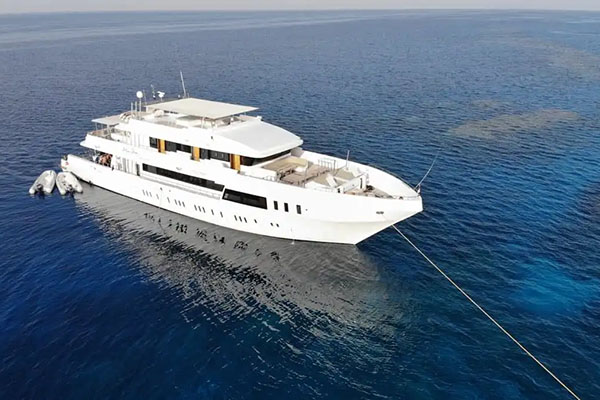
If you’ve ever dreamed of waking up to the sound of gentle waves and diving into crystal-clear water just minutes later, then a liveaboard diving trip in Egypt’s Red Sea is your perfect getaway. Unlike land-based diving, a liveaboard offers full immersion into the diving lifestyle — literally!
From early-morning dives to relaxed evenings under the stars, every day unfolds to the rhythm of the sea. Whether you’re exploring Ras Mohammed National Park, Elphinstone Reef, or the legendary Brothers Islands, your days will be filled with unforgettable moments both above and below the surface.
Here’s a complete look at what daily life is like on a Red Sea liveaboard — what you’ll eat, where you’ll sleep, and how your days flow on Egypt’s most famous diving vessels.
Morning: Waking Up in Paradise
The day typically begins early — around 6:00 a.m. — as the sun rises over the Red Sea. The first dive of the day is often a pre-breakfast dive, timed perfectly for calm seas, clear visibility, and abundant marine life.
You’ll wake to the smell of freshly brewed coffee, step onto the deck, and feel the warm Red Sea breeze. After a short briefing from your dive guide, it’s time to gear up and take your first plunge into the clear blue.
Why Early Morning Dives Are Magical
- Marine activity is high — reef fish feed, and nocturnal creatures retreat.
- Visibility is best, with gentle light rays piercing the water.
- Peaceful ambiance — no crowds, just you and the sea.
After the dive, you’ll return to the boat for a hearty breakfast: eggs, pancakes, fresh fruit, and Egyptian bread — energy for another full day ahead.
Mid-Morning: Second Dive and Relaxation
After breakfast, there’s time to relax on deck, sort through your underwater photos, or sunbathe on a shaded lounge.
By late morning, you’ll prepare for the second dive of the day — usually at a different site. This dive might explore coral pinnacles, drift walls, or a shallow reef teeming with clownfish and anthias.
Typical Dive Briefing Includes:
- Dive site map and topography
- Entry and exit procedures
- Expected marine species
- Safety and depth limits
When you return, you’ll find lunch waiting — often a buffet of Egyptian and Mediterranean dishes, like grilled chicken, rice, pasta, vegetables, and salads. Meals on liveaboards are surprisingly delicious, prepared fresh by the onboard chef.
Afternoon: Exploration, Rest, and Social Time
Afternoons on a Red Sea liveaboard bring a relaxed pace. After lunch, guests often rest, read, or nap in their air-conditioned cabins. Some boats even have a sun deck with bean bags and loungers, perfect for recharging between dives.
The third dive of the day usually takes place around 3:00 p.m. — the water is warm, the light is soft, and it’s a great time for photography. Depending on the itinerary, you might dive a famous wreck like the SS Thistlegorm, drift along a vertical wall, or explore offshore pinnacles that can only be reached by liveaboard.
Between Dives
- Enjoy snacks, juices, and Egyptian tea.
- Log your dives and review your GoPro or camera footage.
- Chat with other divers — liveaboards attract ocean lovers from all over the world.
It’s common to form quick friendships, as everyone shares the same excitement for underwater adventure.
Evening: Night Dives and Stargazing
As the sun sets over the horizon, the adventure continues. Most Red Sea liveaboard trips offer night dives — a thrilling experience that reveals a completely different marine world.
You’ll spot:
- Octopuses hunting along the reef,
- Spanish dancers gliding gracefully through the water,
- Parrotfish cocooned in their protective bubbles, and
- Bioluminescent plankton glowing with every movement.
After surfacing, the crew greets you with warm towels and a hearty dinner buffet. Meals usually include a mix of Egyptian and international favorites — think grilled fish, stews, rice, pasta, and fresh fruit.
Dinner is followed by social time on deck. Divers gather to share stories, review photos, or relax with soft drinks while gazing at the Red Sea’s spectacular night sky. The lack of city lights means stargazing is breathtaking — you can often see the Milky Way stretching overhead.
Cabins, Comfort, and Crew
Red Sea liveaboards range from budget-friendly vessels to luxury yachts equipped with Wi-Fi, jacuzzis, and private cabins. But regardless of the price point, most boats share similar layouts:
- Double or twin cabins, air-conditioned and cleaned daily
- Ensuite bathrooms with hot showers
- Shared indoor lounge with TV and charging stations
- Spacious dive deck for storing and prepping gear
The crew plays a big role in your experience — from filling tanks to serving meals with a smile, Egyptian hospitality shines at sea. Dive guides are professional, safety-oriented, and often full of fun local stories about the reefs and wrecks you visit.
A Typical Red Sea Liveaboard Schedule
Time / Activity
6:00 a.m. /Wake up & pre-dive briefing
6:30 a.m. /Dive 1 – Sunrise dive
8:00 a.m. /Breakfast
10:30 a.m./ Dive 2 – Reef or drift dive
12:30 p.m. /Lunch & rest
3:00 p.m. /Dive 3 – Afternoon dive
6:30 p.m./ Dinner
8:00 p.m./ Night dive (optional)
9:30 p.m./ Relax, stargaze, sleep
Most liveaboards offer 3–4 dives per day, with plenty of rest and safety intervals. The rhythm quickly becomes second nature — eat, dive, relax, repeat.
What Makes the Red Sea Special for Liveaboards
Egypt’s Red Sea is uniquely suited to liveaboard diving for several reasons:
- Compact geography – world-class dive sites are only hours apart.
- Diverse environments – reefs, walls, wrecks, and drift dives all in one trip.
- Year-round warm water – 22–30°C, ideal for long dive days.
- Abundant marine life – from dolphins to whale sharks and hammerheads.
- Calm conditions – perfect for underwater photography and new divers.
Whether you choose a northern itinerary (wrecks and reefs) or southern route (remote marine parks), every liveaboard trip showcases a different side of the Red Sea’s magic.
Tips for First-Time Liveaboard Guests
- Pack light – space on boats is limited.
- Bring reef-safe sunscreen to protect corals.
- Use dry bags for electronics and logbooks.
- Label your gear — many divers have identical fins and masks.
- Stay hydrated — Red Sea heat can be intense.
And most importantly, be flexible. Weather and sea conditions can change, but every dive brings something special — even if plans shift.
Conclusion
Life on a Red Sea liveaboard in Egypt is a unique blend of adventure, relaxation, and community. Each day follows a comforting rhythm of diving, dining, and discovering — with endless opportunities to explore some of the world’s most breathtaking underwater landscapes.
Whether you’re capturing photos of vibrant coral gardens, drifting alongside playful dolphins, or simply enjoying a sunset coffee on deck, one thing’s certain: after your first liveaboard experience, you’ll never want to dive any other way again.
