
Underwater Photography Tips for Your Egypt Liveaboard Trip
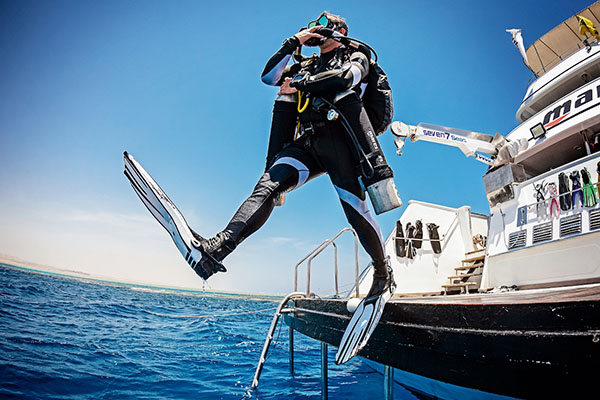
With its crystal-clear waters, vibrant coral gardens, and incredible marine life, the Red Sea is a dream destination for underwater photographers. Whether you’re diving from a luxury Egypt liveaboard or exploring reefs from shore, this region offers an underwater canvas of color and motion unmatched anywhere in the world.
From playful dolphins and majestic whale sharks to macro treasures like nudibranchs and ghost pipefish, every dive holds a story waiting to be captured. But great underwater photography takes more than luck — it requires preparation, technique, and the right mindset.
In this guide, we’ll share essential underwater photography tips to help you make the most of your Red Sea liveaboard adventure and return home with magazine-worthy shots.
Why the Red Sea Is Perfect for Underwater Photography
The Red Sea’s conditions are ideal for both beginners and professional photographers:
- Excellent Visibility: Ranging from 20–40 meters, the water clarity enhances colors and sharpness.
- Vibrant Coral Reefs: The region is home to over 1,200 fish species and 300 coral types — many found nowhere else.
- Stable Conditions: Warm water (22–30°C) and minimal currents make it easy to focus on shooting, not struggling.
- Diverse Marine Life: From tiny macro creatures to pelagic sharks and turtles, you’ll have endless subjects.
Whether diving Ras Mohammed, Elphinstone, or St. John’s Reef, each site provides unique opportunities for incredible underwater photography.
1. Choose the Right Camera Gear for the Red Sea
Your gear should match your skill level and diving style. Here’s a quick breakdown:
Compact Cameras (Beginners)
- Great for first-time underwater shooters.
- Models like the Olympus Tough TG-6 or Canon G7 X are popular choices.
- Add an underwater housing and wide-angle wet lens for better coverage.
Mirrorless or DSLR Cameras (Advanced Photographers)
- Offer better manual control, sharpness, and color depth.
- Combine with dome ports for wide-angle reef scenes or flat ports for macro shots.
- Brands like Sony A7 series, Nikon Z, and Canon R5 perform exceptionally well underwater.
Tip: Invest in a sturdy housing rated for at least 40 meters and use dual O-rings for extra protection.
2. Lighting Is Everything: Use Strobes and Lights Wisely
Light is the secret to stunning underwater photos. As you descend, red and yellow tones disappear — leaving only blues and greens. To bring back true color, you’ll need artificial light.
Strobes (Flashes)
- Essential for revealing color and texture in coral and fish.
- Use two strobes for even lighting and to avoid shadows.
- Angle strobes slightly outward to prevent backscatter (floating particles illuminated by flash).
Continuous Video Lights
- Perfect for beginners or night dives.
- Help with focus and ambient lighting in caves or wrecks.
Pro Tip: Position your strobes about 45° away from your lens to reduce haze and illuminate your subject naturally.
3. Master Buoyancy and Positioning
Good buoyancy control separates average photographers from great ones. Not only does it protect fragile corals, but it also allows you to hold steady for perfect composition.
- Practice neutral buoyancy before handling a camera.
- Use your fins and breath control instead of grabbing onto reefs.
- Approach subjects slowly and calmly to avoid scaring them away.
Many liveaboards in Egypt offer photo-friendly guides or buoyancy workshops, helping you fine-tune these skills before deep dives.
4. Understand the Red Sea’s Lighting Conditions
The Red Sea’s light changes dramatically with depth and time of day:
- Morning dives: Best for wide-angle reef shots — sunlight penetrates beautifully at 10–20 meters.
- Midday dives: Harsh light but excellent for wreck photography (like the SS Thistlegorm).
- Afternoon dives: Ideal for close-ups and fish portraits with soft natural tones.
- Night dives: Perfect for capturing octopuses, crabs, and bioluminescence.
Tip: Use the sun as a compositional element — position your subject with sunlight rays behind them for dramatic backlighting.
5. Choose the Right Lenses for Your Subject
Your lens determines what story you’ll tell:
Wide-Angle Lenses
Perfect for large scenes like coral walls, wrecks, or turtles. Wide-angle allows you to get close while fitting more into your frame — reducing water distortion.
- Recommended lenses: 8–15mm fisheye, 16–35mm wide-angle.
Macro Lenses
Ideal for small creatures like shrimps, nudibranchs, and seahorses.
- Recommended lenses: 60mm or 100mm macro.
Versatile Zooms
If you’re limited to one lens, a 24–70mm or 28–80mm zoom offers flexibility for both fish portraits and small subjects.
6. Composition Tips for Stunning Underwater Shots
Composition transforms good images into masterpieces. Here are key principles:
- Get close, then get closer. Water reduces color and sharpness — the closer you are, the better your photo.
- Shoot upward toward the surface or a diver for dramatic perspective.
- Include a focal point — like a diver, fish, or coral fan — to create scale.
- Use the rule of thirds for balanced framing.
- Capture behavior, not just portraits — such as clownfish fanning their eggs or turtles feeding on coral.
7. Know Your Red Sea Subjects
Different Red Sea regions offer unique photography opportunities:
- Northern Red Sea (Sharm El Sheikh, Ras Mohammed): Schooling fish, coral gardens, and vibrant soft corals.
- Central Region (Hurghada, Elphinstone): Oceanic whitetip sharks and colorful reef fish.
- Southern Red Sea (St. John’s, Fury Shoals): Manta rays, dolphins, and macro critters.
If you’re joining a liveaboard, ask your dive guide about specific species hotspots — many guides know where to find photogenic creatures like leaf scorpionfish, moray eels, or longnose hawkfish.
8. Post-Processing and Editing
Even the best underwater shots benefit from post-editing. Use tools like Adobe Lightroom or Photoshop to:
- Correct white balance — bring back reds and yellows.
- Adjust contrast and clarity for depth.
- Remove backscatter (tiny white spots) for cleaner images.
- Crop for composition while maintaining resolution.
Pro Tip: Always shoot in RAW format — it preserves color data, making post-editing much easier.
9. Maintain and Protect Your Gear
Saltwater is harsh on camera equipment, so regular maintenance is essential:
- Rinse all gear in freshwater after every dive.
- Check and lubricate O-rings daily.
- Store housing in a dry, shaded area to avoid condensation.
- Keep silica gel packets inside housings to prevent fogging.
- A well-maintained setup ensures reliability and extends your gear’s lifespan — crucial on long Red Sea liveaboard expeditions.
10. Capture the Spirit, Not Just the Scene
The most memorable photos tell a story — not just of marine life, but of emotion, color, and movement. Capture:
- Divers interacting with reef life.
- Sunbeams filtering through blue water.
- Marine animals mid-behavior, like hunting, cleaning, or feeding.
Remember: great underwater photography is about connection, not just equipment.
Conclusion
Underwater photography in the Red Sea is more than an art form — it’s a way to preserve the magic of Egypt’s underwater world. From macro critters to grand coral walls, every dive presents a new opportunity to tell a story through your lens.
Whether you’re a beginner with a compact camera or a seasoned pro carrying full DSLR housing, the Red Sea’s diversity, clarity, and warmth make it one of the most rewarding destinations on Earth for photographers.
So pack your gear, board your liveaboard, and get ready to capture the true soul of the Red Sea — one photo at a time.
