
Macro Diving in the Red Sea: Hidden Treasures Beneath the Surface
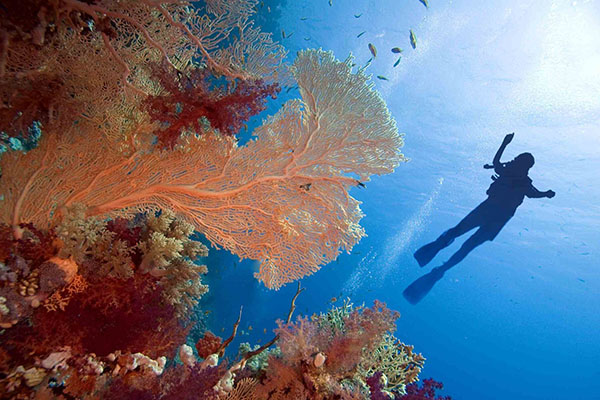
When divers think of the Red Sea, images of massive coral walls, hammerhead sharks, and dolphins often come to mind. But beneath those iconic scenes lies another world — a microscopic paradise full of life, color, and character.
Welcome to macro diving in the Red Sea, a realm where the smallest creatures steal the spotlight. From vibrant nudibranchs to tiny pipefish, ghostly shrimps, and camouflaged frogfish, the Red Sea’s reefs hide countless miniature marvels that make every dive an adventure in discovery.
This guide explores the hidden treasures beneath the surface, where patient eyes and sharp lenses reveal an entirely new side of Egypt’s legendary waters.
What Is Macro Diving?
Macro diving focuses on observing and photographing small marine creatures — typically less than 5 centimeters in size. It requires a slower, more observant approach, perfect for divers who enjoy studying details and capturing nature’s artistry.
Unlike big-animal diving, where attention goes to sharks or dolphins, macro diving is about finding life in the details — tiny critters hiding among coral, sand, or sponges.
The Red Sea’s unique biodiversity and excellent visibility make it an ideal destination for macro photographers and nature lovers alike.
Why the Red Sea Is a Hidden Gem for Macro Diving
The Red Sea’s fame for large pelagics often overshadows its macro potential. Yet, for those who slow down and look closely, the region offers one of the most diverse collections of small marine life in the world.
Here’s why it stands out:
- Crystal-clear waters – With visibility often exceeding 30 meters, even the smallest details shine.
- Year-round diving conditions – Warm temperatures allow macro photographers to dive comfortably all year long.
- Varied habitats – From sandy slopes to coral gardens and seagrass meadows, each habitat hosts a unique set of creatures.
- Protected dive sites – Many Egyptian reefs are part of marine parks, preserving delicate species and coral formations.
Top Macro Diving Sites in the Red Sea
Whether you dive from shore in Dahab or aboard a luxury liveaboard in the deep south, there’s no shortage of macro opportunities.
1. Marsa Shagra & Abu Dabbab (Marsa Alam)
The seagrass meadows of Marsa Shagra are teeming with life. Look closely and you’ll find ornate ghost pipefish, seahorses, and juvenile cuttlefish blending perfectly with their surroundings.
Abu Dabbab’s sandy bottom is another macro haven, known for hairy shrimp, razor wrasses, and garden eels poking from the sand.
Pro Tip: Use a dive torch or macro focus light to illuminate small creatures hiding in shadowed coral.
2. Gubal Island & Bluff Point (Northern Red Sea)
The coral slopes around Gubal Island and Bluff Point are packed with soft corals and sponge patches — a perfect habitat for nudibranchs, flatworms, and tiny crabs.
Divers often spot the Halgerda nudibranch, hairy squat lobsters, and even pygmy pipehorses here. The calm conditions and moderate depth make it ideal for long, slow macro dives.
3. Ras Mohammed National Park (Sharm El Sheikh)
Famous for big fish, Ras Mohammed also has a surprising macro side. Search the sandy sections and coral heads for emperor shrimp, bubble coral shrimp, and decorator crabs.
On night dives, the scene transforms — you may encounter Spanish dancer nudibranchs, octopuses, and hunting crustaceans illuminated by your torchlight.
4. St. John’s Reefs (Deep South)
Accessible only by liveaboard, St. John’s is a macro paradise. Here, the coral gardens are virtually untouched, and the biodiversity is astounding.
Look for leaf scorpionfish, dragonets, tiny blennies, and colorful flatworms crawling along coral branches. Photographers love this region for its vivid colors and low diver traffic.
Tip: Bring a macro lens (60mm or 100mm) and a focus light for the best photo results.
Top Macro Species to Spot in the Red Sea
Here’s a look at some of the most fascinating macro life you can find during your Red Sea adventure:
1. Nudibranchs
These colorful sea slugs are the stars of macro diving. The Red Sea is home to species like Chromodoris, Hypselodoris, and the stunning Spanish dancer, known for its elegant swimming motion.
2. Ghost Pipefish
Masters of camouflage, these delicate fish hide near feather stars or seagrass. The ornate ghost pipefish and robust ghost pipefish are particularly photogenic.
3. Boxer Shrimps and Cleaner Shrimps
At cleaning stations, you’ll find banded boxer shrimps, sexy shrimps, and pederson cleaner shrimps working on moray eels and groupers. Watching these symbiotic relationships is mesmerizing.
4. Pygmy Seahorses
While extremely rare in the Red Sea, keen-eyed divers occasionally spot tiny pygmy seahorses on gorgonian fans — a once-in-a-lifetime find for macro enthusiasts.
5. Octopuses and Cuttlefish
Both are highly intelligent and provide great subjects for photography. Their ability to change color and texture creates endless creative photo opportunities.
Why Liveaboards Are Ideal for Macro Divers
While shore diving in Egypt is rewarding, liveaboards offer the best access to pristine reefs where rare species thrive.
Here’s why macro photographers love them:
- Multiple dives per day at remote reefs away from crowds.
- Night dives that reveal creatures you’d never see in daylight.
- Dedicated camera facilities on modern liveaboards for photographers.
- Expert dive guides who know where to find the rarest critters.
Whether exploring St. John’s, Daedalus Reef, or Fury Shoals, liveaboards help you unlock the Red Sea’s macro secrets in comfort and style.
Tips for a Successful Macro Dive
- Move slowly – Many creatures rely on camouflage; patience reveals their hiding spots.
- Watch your buoyancy – Avoid stirring up sand or touching corals.
- Use a macro lens and focus light – Lighting makes or breaks underwater macro shots.
- Stay calm and observant – The smallest movement might reveal a shrimp, crab, or nudibranch.
- Dive with a guide – Local experts know where macro life congregates.
Conclusion
The Red Sea may be world-famous for its big sharks and colorful reefs, but its macro life is equally breathtaking. Diving at a slower pace reveals a miniature universe — one filled with vibrant nudibranchs, camouflaged fish, and quirky crustaceans that most divers swim right past.
Whether you’re a macro photographer, nature lover, or curious explorer, Egypt’s Red Sea offers hidden treasures beneath the surface waiting to be discovered.
So next time you pack for a liveaboard or shore dive trip, don’t just chase the big fish — bring your macro lens, slow down, and explore the tiny wonders that make the Red Sea truly unique.
