
Best Time of Year to Go on a Liveaboard in the Red Sea
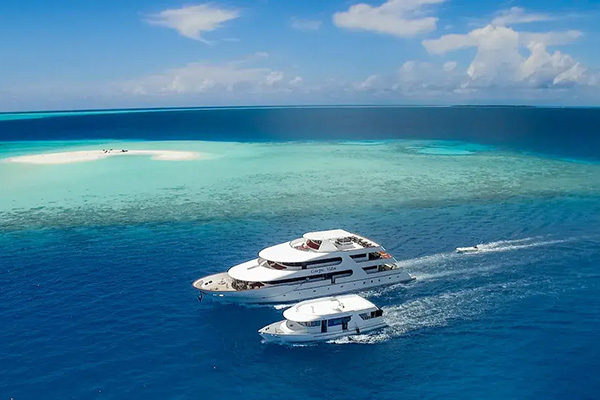
The Red Sea is one of the world’s most famous diving destinations, offering year-round opportunities for divers of all experience levels. Known for its vibrant coral reefs, historical wrecks, and encounters with pelagic marine life like sharks and manta rays, the Red Sea attracts divers from across the globe.
One of the best ways to experience this underwater paradise is by booking a liveaboard trip. Liveaboards allow divers to explore remote areas far from crowded day boats, with access to multiple dive sites in a single trip. But a common question for first-timers is: When is the best time of year to go on a liveaboard in the Red Sea?
The answer depends on what you want to see, your comfort with different water temperatures, and your tolerance for seasonal weather conditions. In this guide, we’ll break down the Red Sea diving calendar season by season to help you plan the perfect liveaboard adventure.
1. Year-Round Diving in the Red Sea
Unlike many other dive destinations, the Red Sea offers excellent diving throughout the year. Water temperatures rarely drop below 22°C (72°F), and visibility often exceeds 30 meters (100 feet). Liveaboards operate in both the Northern Red Sea (famous for wrecks and reefs) and the Southern Red Sea (remote pristine reefs and big pelagic action) all year long.
That said, conditions and marine life vary by season, so the timing of your trip can greatly influence your experience.
2. Diving the Red Sea in Winter (December – February)
Conditions:
- Water temperature: 22–24°C (72–75°F)
- Air temperature: 18–24°C (64–75°F)
- Visibility: Excellent, 20–30 meters
Highlights:
Winter brings cooler water and air temperatures, but the visibility is crystal clear. This is the best season for divers who prefer fewer crowds since winter is considered off-peak for tourism.
Northern Red Sea wrecks like the SS Thistlegorm and Abu Nuhas are quiet, making dives more relaxed.
Great time for macro life, nudibranchs, and reef species.
Some shark sightings still occur in the Southern Red Sea, but big pelagic action is less predictable.
Best For:
Divers who want calm dive sites, cooler conditions, and quieter liveaboards.
3. Diving the Red Sea in Spring (March – May)
Conditions:
- Water temperature: 24–26°C (75–79°F)
- Air temperature: 24–30°C (75–86°F)
- Visibility: 20–30 meters
Highlights:
Spring is one of the best times of year to go on a liveaboard in the Red Sea. The water is warming up, and marine life activity increases.
- Shark encounters begin to rise, particularly oceanic whitetips and hammerheads at Brothers and Daedalus.
- Coral reefs are vibrant, and plankton blooms attract larger pelagics.
- Conditions are comfortable both in and out of the water, making it ideal for longer itineraries.
Best For:
Divers who want a mix of great weather, active marine life, and excellent visibility.
4. Diving the Red Sea in Summer (June – August)
Conditions:
- Water temperature: 28–30°C (82–86°F)
- Air temperature: 32–40°C (90–104°F)
- Visibility: 15–25 meters (slightly reduced due to plankton)
Highlights:
Summer brings warm, tropical-like waters and is peak season for big shark encounters.
- Hammerhead schools are frequently seen at Daedalus, Brothers, and Elphinstone.
- Manta rays and whale sharks are spotted in southern regions like St. John’s and Fury Shoals.
- Night dives become especially magical, with bioluminescence visible.
However, the heat can be intense, particularly on deck, so air-conditioned cabins are a must.
Best For:
Advanced divers seeking shark action and pelagic encounters.
5. Diving the Red Sea in Autumn (September – November)
Conditions:
- Water temperature: 26–28°C (79–82°F)
- Air temperature: 26–34°C (79–93°F)
- Visibility: 20–30 meters
Highlights:
Autumn is often considered the best all-around season for liveaboard diving in the Red Sea. Conditions are stable, the water is warm, and marine life is at its peak.
- Sharks remain abundant, especially oceanic whitetips at Elphinstone.
- Coral reefs are in top condition, and currents bring nutrient-rich waters.
- Both North and South itineraries are excellent this time of year.
Best For:
Divers who want the best mix of warm water, pelagic encounters, and ideal diving conditions.
6. Choosing the Right Season for Your Red Sea Liveaboard
- If you want quiet dive sites and cooler conditions, go in winter.
- If you’re looking for balanced conditions and variety, choose spring or autumn.
- If your dream is shark diving, summer is unbeatable.
Also consider your experience level: summer currents can be stronger, making them better for advanced divers, while winter conditions are easier for beginners.
7. Final Tips for Planning Your Red Sea Liveaboard
- Book early: Popular seasons like spring and autumn fill up fast.
- Choose the right route: The North is wreck and reef focused, while the South is best for sharks and pristine reefs.
- Pack accordingly: In winter, a 5–7mm wetsuit is needed, while in summer, a 3mm or shorty is enough.
Final Thoughts
The best time of year to go on a liveaboard in the Red Sea depends on what you want to experience underwater. With year-round diving opportunities, there truly isn’t a bad season.
- Winter: Quiet, cool, and calm.
- Spring: Balanced conditions with increasing shark activity.
- Summer: Peak shark encounters and warm waters.
- Autumn: Ideal all-round diving season.
No matter when you go, a liveaboard in the Red Sea guarantees unforgettable dives, stunning marine biodiversity, and access to some of the world’s most iconic underwater landscapes.
