How to Choose the Perfect Liveaboard in Egypt’s Red Sea
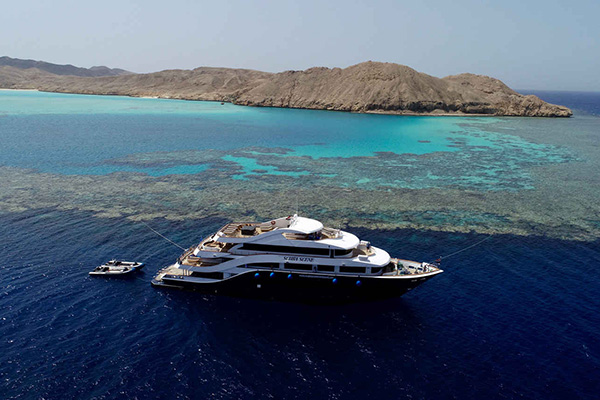
The Egypt (Red Sea) is a world-class diving destination, attracting divers from across the globe for its crystal-clear waters, vibrant coral reefs, and diverse marine life. One of the best ways to experience its underwater treasures is by booking a liveaboard trip—a floating dive resort that takes you directly to the most iconic and remote dive sites.
However, with dozens of liveaboards operating in the region, choosing the right one can feel overwhelming. In this guide, we’ll break down the key factors you need to consider to ensure you pick the perfect liveaboard for your Egypt (Red Sea) adventure.
1. Decide on Your Preferred Itinerary
The Egypt (Red Sea) offers a variety of liveaboard routes, each catering to different interests and experience levels:
- Northern Red Sea:
Ideal for wreck enthusiasts and reef lovers. You can explore famous wrecks like the SS Thistlegorm and visit protected areas such as Ras Mohammed National Park. Perfect for beginner to intermediate divers. - Southern Red Sea:
Best for advanced divers looking for pelagic action. You’ll visit offshore sites like Daedalus Reef, Brothers Islands, and St. John’s, known for hammerheads, oceanic whitetips, and manta rays. - Combination Itineraries:
For those who want it all—wrecks, reefs, and big pelagics—some liveaboards offer north-to-south trips covering the best of both worlds.
Tip: Match your itinerary to your diving goals and certification level.
2. Set Your Budget and Expectations
Liveaboard trips in the Egypt (Red Sea) range from budget-friendly vessels to ultra-luxury yachts.
- Budget Liveaboards:
Functional and comfortable, offering shared cabins, standard meals, and essential dive services. Perfect for divers who care more about the diving than the luxury. - Mid-Range Liveaboards:
Provide a balance of comfort and cost, with private or semi-private cabins, better meal options, and a few extra amenities like photography stations. - Luxury Liveaboards:
Offer spacious cabins, gourmet dining, Jacuzzis, spa services, and personalized dive experiences. Ideal for travelers who want their dive holiday to feel like a resort getaway.
Tip: Consider that budget liveaboards may have more basic facilities but still visit the same incredible dive sites.
3. Check the Vessel’s Size and Capacity
The size of the liveaboard can greatly influence your onboard experience:
- Small Boats (8–12 guests):
More intimate and personal, great for private charters or small dive groups. - Medium Boats (12–20 guests):
A good balance between sociability and space. - Large Boats (20+ guests):
Offer more facilities but can feel busier during dives and meals.
Tip: If you value personal space and a quieter atmosphere, choose a smaller vessel.
4. Look at Dive Facilities and Equipment
A great liveaboard in the Egypt (Red Sea) should have:
- Spacious dive deck and gear storage
- Nitrox availability for longer bottom times
- Rinse tanks for cameras
- Comfortable dive tenders (zodiacs) for site access
- Rental gear if you’re not bringing your own
Tip: Underwater photographers should prioritize boats with dedicated camera rooms and charging stations.
5. Consider Your Certification and Experience Level
Some itineraries in the Egypt (Red Sea) involve strong currents, deep dives, and challenging conditions, making them more suitable for Advanced Open Water divers or above. If you’re a beginner, opt for northern itineraries or trips that include check dives and sheltered sites.
6. Pay Attention to the Crew and Dive Guides
The crew can make or break your liveaboard experience. Look for reviews that mention:
- Dive guides with local knowledge
- Safety-focused operations
- Friendly and helpful hospitality staff
- Good ratio of dive guides to guests
A skilled dive guide can enhance your trip by pointing out rare marine life, helping with underwater navigation, and ensuring safe diving practices.
7. Factor in the Best Time to Visit
While the Egypt (Red Sea) is a year-round diving destination, different seasons bring different highlights:
- May–July: Best for whale sharks, mantas, and hammerheads
- September–November: Warm water, great visibility, and pelagic sightings
- Winter (Dec–Feb): Fewer crowds and cooler water, great for wreck diving
Tip: Choose your travel dates based on the marine life you want to see.
8. Think About Onboard Comfort and Amenities
When spending several days at sea, comfort matters. Some features to look for include:
- Air-conditioned cabins
- En-suite bathrooms
- Lounge and sun deck areas
- Quality food and drink options
- Entertainment such as books, movies, or presentations
Tip: If you’re prone to seasickness, pick a larger, more stable vessel.
9. Read Reviews and Ask Questions Before Booking
Research is essential before committing to a liveaboard:
- Read recent reviews on trusted dive travel websites
- Check what’s included in the package (e.g., park fees, nitrox, gear rental)
- Ask about dive safety protocols and emergency equipment
10. Book Early for Peak Seasons
Popular Egypt (Red Sea) liveaboards often book out months in advance during peak diving seasons. To secure your preferred boat, cabin type, and itinerary, plan and book early.
Final Thoughts
Choosing the perfect liveaboard in the Egypt (Red Sea) is about matching your diving preferences, comfort needs, and budget to the right vessel and itinerary. Whether you’re after adrenaline-pumping shark dives in the south or colorful coral gardens in the north, there’s a liveaboard experience that will make your trip unforgettable.
With the right planning, you’ll enjoy not only world-class diving but also the camaraderie of fellow divers, the comfort of a floating home, and memories of the Red Sea’s breathtaking marine life that will last a lifetime.
