
Marine Life Encounters on an Egyptian Liveaboard Trip
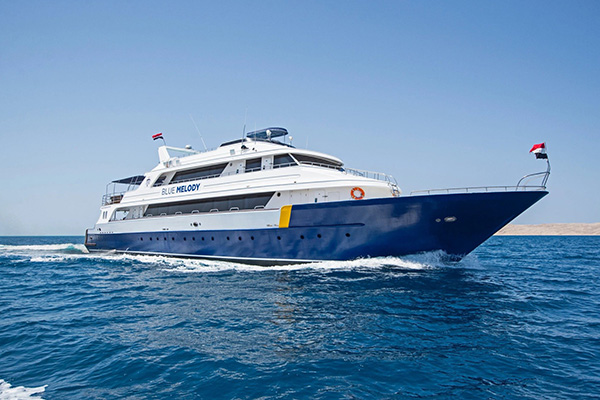
The Egypt (Red Sea) is one of the most biodiverse diving destinations in the world, attracting divers with its pristine coral reefs, crystal-clear waters, and the chance to encounter an incredible variety of marine life. Whether you’re cruising the northern reefs or exploring the southern islands, an Egyptian liveaboard trip offers a front-row seat to nature’s underwater masterpiece.
In this guide, we’ll take a closer look at the spectacular marine species you can expect to see during your liveaboard adventure in Egypt’s Red Sea, along with tips for maximizing your encounters.
Why the Egypt (Red Sea) is a Marine Life Hotspot
Stretching over 2,000 km, the Red Sea is home to more than 1,200 species of fish, over 200 species of coral, and countless other marine creatures. Many of these species are endemic, meaning they’re found nowhere else on earth.
A liveaboard trip allows divers to reach remote and less-visited dive sites, where the chances of encountering rare and large pelagic species dramatically increase.
Top Marine Life Encounters on an Egyptian Liveaboard
1. Dolphins – Your Playful Dive Companions
Dolphins are among the most delightful encounters in the Red Sea. Pods often approach divers, especially around offshore reefs like Sataya Reef and Sha’ab Samadai (Dolphin House) in the southern Red Sea.
Best chance to see them: Southern liveaboard itineraries from Marsa Alam or Hamata.
2. Whale Sharks – The Gentle Giants
Spotting a whale shark is a dream for many divers, and the Egypt (Red Sea) is one of the few places where it’s possible. These plankton-feeding giants are completely harmless and often appear between May and July during plankton blooms.
Best chance to see them: Brothers Islands, Daedalus Reef, and Elphinstone.
3. Oceanic Whitetip Sharks – The Bold Predators
Known for their curious and confident nature, oceanic whitetip sharks are a highlight for thrill-seeking divers. These apex predators are often seen cruising in open blue water near offshore reefs.
Best chance to see them: Brothers Islands and Elphinstone Reef, typically in autumn.
4. Hammerhead Sharks – The Schooling Spectacle
Few experiences compare to seeing a school of hammerhead sharks emerge from the deep. These elusive creatures prefer cooler waters and strong currents, so liveaboard trips to remote locations increase your chances.
Best chance to see them: Daedalus Reef and Brothers Islands, especially May–September.
5. Manta Rays – The Graceful Gliders
With wingspans of up to 7 meters, manta rays are among the most mesmerizing marine animals. They often gather at cleaning stations or glide past in the open blue.
Best chance to see them: Rocky Island and Zabargad in the far south, especially in spring and early summer.
6. Dugongs – The Rare Red Sea Residents
Dugongs, also known as sea cows, are shy herbivores that graze on seagrass beds. While rare, they can be spotted in the southern Red Sea near sheltered bays.
Best chance to see them: Marsa Mubarak and Abu Dabbab Bay.
7. Turtles – Ancient Ocean Wanderers
The Red Sea is home to green turtles and hawksbill turtles, both frequently seen during dives. They can be found resting under coral overhangs or grazing on seagrass beds.
Best chance to see them: Throughout the Red Sea, especially at Sha’ab Abu Nuhas and Fury Shoals.
8. Napoleon Wrasse – The Gentle Giants of the Reef
These large, charismatic fish are easy to spot due to their size and distinctive hump. Napoleon wrasses are friendly and often approach divers out of curiosity.
Best chance to see them: Ras Mohammed National Park and St. John’s Reef.
9. Reef Sharks – The Everyday Predators
Grey reef sharks, blacktip reef sharks, and whitetip reef sharks are a common sight in Egypt’s Red Sea. They are generally shy and pose no threat to divers.
Best chance to see them: Drop-offs and reef edges throughout the Red Sea.
10. Macro Life – The Hidden Treasures
Beyond the big pelagics, Egypt’s reefs are teeming with smaller wonders—nudibranchs, pipefish, ghost pipefish, and cleaner shrimp make for fascinating macro photography opportunities.
Best chance to see them: Coral gardens and sheltered lagoons like those in Fury Shoals.
Tips for Maximizing Marine Life Encounters
1- Choose the Right Itinerary:
- Northern itineraries are great for reef and wreck lovers.
- Southern itineraries offer more big pelagic action.
2-Dive Early or Late in the Day:
Many marine animals are more active during dawn and dusk.
3- Stay Calm and Move Slowly:
Sudden movements can scare away marine life.
4- Use the Right Gear:
A wide-angle lens is essential for photographing large animals, while a macro lens is ideal for small creatures.
5- Respect the Environment:
Never touch marine life and always maintain good buoyancy to avoid damaging corals.
Best Time to Dive in Egypt (Red Sea)
- Big pelagics (sharks, mantas): May–July and September–November
- Whale sharks: May–July
- Calm conditions and warm water: April–June and September–November
Final Thoughts
An Egyptian liveaboard trip is more than just a diving holiday—it’s a journey into one of the most vibrant marine ecosystems on the planet. From the playful dance of dolphins to the awe-inspiring sight of a whale shark, every dive offers a new and unforgettable experience.
By choosing the right itinerary and season, you’ll maximize your chances of seeing the incredible marine life of the Egypt (Red Sea) and create memories that will last a lifetime.
