
Top Wreck Diving Experiences on a Saudi Arabian Liveaboard
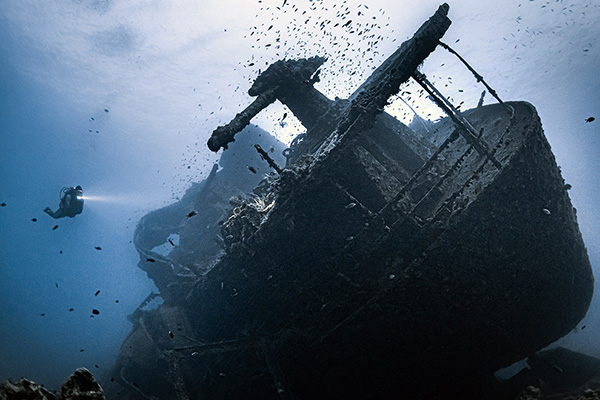
When divers think of wreck diving in the Red Sea, Egypt often comes to mind first. But with Saudi Arabia now opening up its pristine coastline to international divers, an entirely new chapter of wreck diving adventures is unfolding—one with less-crowded dive sites, untouched wrecks, and pristine coral growth.
A Saudi Arabia (Red Sea) liveaboard trip is the best way to explore these wrecks, as many lie far from shore and in areas only accessible by overnight vessels. In this guide, we’ll explore the top wreck diving experiences you can enjoy while cruising along Saudi Arabia’s hidden underwater treasures.
Why Wreck Diving in Saudi Arabia is Special
Saudi Arabia’s Red Sea coastline has been largely closed to international divers for decades. As a result:
- Wrecks are rarely visited, meaning less wear from divers.
- Marine life thrives in these areas—schools of barracuda, trevallies, and even reef sharks are common.
- Coral growth is spectacular, with many wrecks covered in colorful hard and soft corals.
On a liveaboard, you can visit multiple wrecks in a single trip, often with entire sites to yourself—a rare luxury in the world of diving.
Top Wrecks to Explore on a Saudi Arabia Liveaboard
1. SS Iona – The Forgotten Cargo Ship
Located off the coast near Yanbu, the SS Iona is a historical wreck believed to have sunk in the early 20th century. Sitting in 20–28 meters of water, it’s perfect for intermediate divers.
Highlights:
- Coral-encrusted hull with stunning macro photography opportunities
- Resident lionfish, moray eels, and colorful reef fish
- Easy swim-throughs for those with proper training
Best Time to Visit: November to April for the clearest visibility.
2. Cable Wreck – Jeddah’s Underwater Landmark
This wreck is one of the most accessible and popular in Saudi Arabia’s central Red Sea, yet still sees minimal traffic compared to Egypt’s famous sites.
Highlights:
- Depths range from 10–30 meters, making it suitable for different certification levels
- Thick coral coverage, giving it the appearance of a natural reef
- Great mix of macro life and schooling pelagic fish
Best Time to Visit: Year-round, but best in winter for cooler water temps and calmer seas.
3. The Sheikh Hashem Wreck – Pelagic Playground
Sitting in the northern Red Sea near the Seven Sisters reefs, this wreck is a magnet for large marine life. Divers often spot barracuda, tuna, and reef sharks circling the site.
Highlights:
- Depth: ~25 meters
- Excellent for wide-angle photography
- Proximity to vibrant coral reefs for a two-dive combo
Best Time to Visit: October to May for optimal conditions.
4. The Ann Ann Wreck – Coral Wonderland
Located off the Farasan Banks in southern Saudi Arabia, the Ann Ann is a modern freighter that sank after striking a reef. Over the years, it has transformed into an incredible artificial reef.
Highlights:
- Shallow bow section (perfect for snorkelers and novice divers)
- Mid-ship penetration opportunities for trained divers
- Stunning coral gardens surrounding the wreck
Best Time to Visit: March to May for whale shark encounters nearby.
5. Mystery Wrecks of the Farasan Banks
Because so much of Saudi Arabia’s coastline remains unexplored, there are numerous unidentified wrecks scattered across the southern Red Sea. Liveaboard operators often include exploratory dives to document these sites.
Highlights:
- A sense of true underwater exploration
- Pristine conditions with zero other dive boats in sight
- Potential to discover new dive sites
Best Time to Visit: October to April for mild seas.
What to Expect on a Saudi Arabia Wreck Diving Liveaboard
A typical wreck-focused itinerary in Saudi Arabia includes:
- Multiple dives per day (up to 4 including night dives)
- Wreck dives combined with coral reef dives for variety
- Professional dive guides familiar with each wreck’s history and layout
- Comfortable cabins, air-conditioning, and full-board meals
Many liveaboards also cater to underwater photographers, offering large rinse tanks and camera tables—ideal for capturing wreck details.
Safety Considerations for Wreck Diving in Saudi Arabia
Wreck diving can be more challenging than reef diving due to depth, currents, and overhead environments. Here are some tips:
- Get proper training (Wreck Diver Specialty) if planning penetrations
- Carry a torch for exploring interiors and low-light areas
- Watch your buoyancy to avoid damaging fragile corals
- Dive with a guide who knows the wreck layout
Best Time of Year for Wreck Diving in Saudi Arabia
Diving is possible year-round, but conditions vary:
- October–April: Best for calm seas and cooler water (22–26°C)
- May–September: Hotter air temperatures (up to 40°C) but still good underwater visibility
Why Choose a Liveaboard for Wreck Diving in Saudi Arabia?
Unlike day trips, a liveaboard allows you to:
- Reach remote wrecks far offshore
- Dive multiple sites in a single trip
- Enjoy exclusive access with minimal or no other dive boats present
Plus, the journey between sites often reveals pelagic life—whale sharks, manta rays, and dolphins are frequent sightings.
Final Thoughts
A Saudi Arabia (Red Sea) liveaboard is one of the most exciting new frontiers for wreck diving enthusiasts. With minimal tourism, crystal-clear waters, and thriving marine life, these wrecks offer both historical intrigue and natural beauty.
From the coral-covered SS Iona in the north to the untouched freighters of the Farasan Banks in the south, each wreck tells a story—one you’ll remember long after your trip ends.
If you’re looking for uncrowded wreck diving experiences, now is the time to explore Saudi Arabia’s Red Sea before it becomes the next big diving hotspot.
