
7 Essential Tips for First-Time Maldives Liveaboard Divers
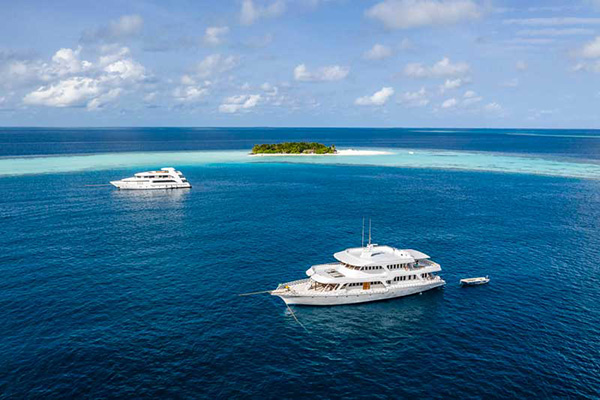
The Maldives is a dream destination for divers worldwide, with its turquoise waters, thriving coral reefs, and spectacular encounters with manta rays, whale sharks, reef sharks, and vibrant marine life. One of the best ways to explore these wonders is on a Maldives liveaboard, where you live on a dive vessel, traveling between atolls to reach some of the country’s most pristine dive sites.
If you’ve never been on a liveaboard before, the experience can be both exciting and a little overwhelming. To help you prepare for your first trip, here are 7 essential tips for first-time Maldives liveaboard divers—covering everything from packing smart to making the most of your dives.
1. Choose the Right Season for Your Trip
Timing can significantly affect your liveaboard experience in the Maldives.
- Best Season (Dec–April): This is the dry northeast monsoon season, offering the best visibility (20–40 meters) and calm seas. You’ll see manta rays and whale sharks in certain areas.
- Southwest Monsoon (May–Nov): Brings more plankton in the water, reducing visibility slightly but attracting huge numbers of manta rays and whale sharks to feeding stations.
Tip: For your first trip, consider going during January–April for calmer conditions and clearer water.
2. Pack Light but Smart
Space is limited on a liveaboard, so packing efficiently is crucial. Here’s what to bring:
- Dive Essentials: Mask, snorkel, fins, wetsuit (3mm–5mm), and dive computer.
- Clothing: Light, breathable clothing, swimsuits, and a light jacket for breezy evenings.
- Extras: Reef-safe sunscreen, sunglasses, a hat, and a reusable water bottle.
- Underwater Photography Gear: If you want to capture your dives, pack your camera and housing, but remember to bring spare batteries and memory cards.
Tip: Most Maldives liveaboards provide rental gear, so check in advance if you want to travel lighter.
3. Get Dive Fit Before You Go
Maldives liveaboard itineraries can include up to 3–4 dives per day for a week or more, which is physically demanding. Before your trip:
- Do some light cardio to improve stamina.
- Practice buoyancy control if you haven’t dived in a while.
- Consider doing a refresher course to regain comfort underwater.
Tip: Being fit and prepared means you’ll enjoy more dives without feeling exhausted halfway through your trip.
4. Understand the Diving Conditions
The Maldives offers a variety of dive environments, from calm lagoon dives to fast-flowing channel (kandu) dives.
- Currents: Many sites are drift dives, so you’ll need to be comfortable with current diving.
- Depths: Some dives are deeper than average, so good buoyancy control is key.
- Marine Life: Expect big pelagic sightings like whale sharks, mantas, and reef sharks alongside vibrant reefs.
Tip: Bring a reef hook for strong current dives and always follow your dive guide’s instructions.
5. Respect the Marine Environment
The Maldives has some of the most beautiful coral reefs in the world, and protecting them ensures they remain vibrant for years to come.
- Use reef-safe sunscreen to avoid damaging corals.
- Avoid touching marine life or standing on coral.
- Maintain good buoyancy to prevent accidental contact with the reef.
Tip: Even small actions like not chasing manta rays can make a big difference in marine conservation.
6. Prepare for Life Onboard
A liveaboard is different from a resort stay—your “hotel” moves every day, and your schedule revolves around diving.
- Cabins: They are usually compact, so keep your gear organized.
- Meals: Expect communal dining with fellow divers, which is a great way to make friends.
- Internet: Wi-Fi may be limited or available at extra cost—embrace the digital detox.
Tip: Bring a small dry bag for carrying personal items between dives and to protect electronics from splashes.
7. Stay Safe and Dive Within Your Limits
Safety is always the priority, especially on your first liveaboard experience.
- Always do your buddy checks.
- Listen carefully to dive briefings.
- Don’t push your limits—skip a dive if you’re feeling tired or uncomfortable.
- Use a Surface Marker Buoy (SMB) for safety during drift dives.
Tip: Many Maldives liveaboards require divers to have at least 20–30 logged dives before joining advanced itineraries, so check requirements before booking.
Bonus: Make the Most of Your Maldives Liveaboard Experience
- Bring an underwater camera: The Maldives is incredibly photogenic, from soft coral gardens to schools of fish.
- Keep a dive log: Record dive sites, marine life sightings, and special memories.
- Stay hydrated: Diving and the tropical climate can dehydrate you quickly.
Example Maldives Liveaboard Itinerary for First-Timers
A typical first-time-friendly route might include:
- North Male Atoll: Beginner-friendly dives with colorful reefs.
- Ari Atoll: Famous for whale shark encounters and manta cleaning stations.
- Vaavu Atoll: Beautiful channel dives with gray reef sharks and eagle rays.
This combination offers variety while avoiding overly challenging conditions for newer liveaboard divers.
Final Thoughts
Your first Maldives liveaboard trip is more than just a diving holiday—it’s a once-in-a-lifetime adventure filled with breathtaking underwater moments, stunning island scenery, and the camaraderie of fellow divers. By following these 7 essential tips for first-time Maldives liveaboard divers, you’ll be better prepared to enjoy every dive, every encounter, and every sunset at sea.
Whether you’re gliding alongside graceful manta rays, drifting through a channel with sharks below, or simply sipping coffee on the sun deck, the Maldives will capture your heart both above and below the waterline.
