
Marine Life You Can Expect to See on a Maldives Liveaboard
Maldives Marine Life You Can Expect to See on a Maldives Liveaboard – Complete Guide 2025
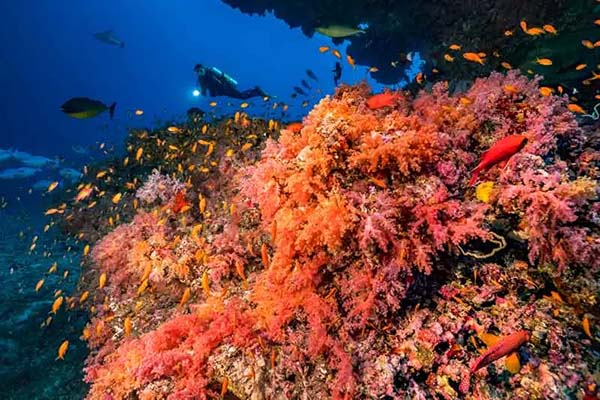
The Maldives is a world-class diving destination, not just for its turquoise lagoons and vibrant coral reefs, but for the sheer abundance and diversity of marine life. On a liveaboard trip, you’re not limited to just one reef or atoll—you can explore multiple sites, each offering its own unique encounters.
In this guide, we’ll dive into the Maldives Marine Life You Can Expect to See on a Maldives Liveaboard, covering everything from majestic manta rays to the tiniest reef creatures.
Why the Maldives Is a Marine Life Paradise
Located in the heart of the Indian Ocean, the Maldives consists of 26 atolls and over 1,000 coral islands. Warm currents bring nutrient-rich waters that attract a stunning variety of marine creatures, from gentle giants to colorful reef residents.
A liveaboard trip allows you to follow seasonal migrations, visit remote atolls, and access dive sites that day boats rarely reach—maximizing your chances of unforgettable encounters.
Big Pelagics – The Stars of the Maldives
1. Whale Sharks
The largest fish in the sea, whale sharks are a highlight for many divers.
- Where to see them: South Ari Atoll is the most famous spot, especially near Dhigurah and Maamigili.
- Best season: Year-round in South Ari, with higher chances between August and November.
Swimming alongside a gentle whale shark is an experience that stays with you forever.
2. Manta Rays
Known for their elegance, manta rays are a signature sight in the Maldives.
- Where to see them: Hanifaru Bay (Baa Atoll) is the world’s largest manta feeding station.
- Best season: May to November in Baa Atoll; December to April in Ari and South Male Atolls.
On a liveaboard, you can visit multiple cleaning stations where mantas gather in groups, sometimes by the dozens.
3. Sharks
The Maldives is home to several species, most of which are non-aggressive.
- Grey reef sharks – Common in channel dives like Fotteyo Kandu and Kandooma Thila.
- White-tip reef sharks – Often resting on sandy bottoms.
- Hammerhead sharks – Found at deep sites like Rasdhoo Atoll.
Liveaboards often plan early morning dives specifically to spot schooling sharks.
4. Eagle Rays
Graceful and fast, eagle rays are often seen gliding past in pairs or small groups.
They are common in channels and outer reefs, especially where currents are strong.
Reef Residents – Color and Character Beneath the Waves
5. Sea Turtles
Three species are common in the Maldives:
- Green turtles – Often grazing on seagrass beds.
- Hawksbill turtles – Seen around coral reefs feeding on sponges.
- Olive ridley turtles – Rarer, but possible sightings in deeper waters.
These friendly reptiles are often unfazed by divers, making for great photography opportunities.
6. Reef Fish
The Maldives’ reefs are alive with color and movement. Expect to see:
- Parrotfish – Busy munching on coral.
- Clownfish – Peeking from anemones.
- Angelfish, butterflyfish, and wrasses – Adding bursts of color to the reef.
A healthy reef here often means hundreds of fish species on a single dive.
7. Moray Eels
With only their heads peeking from crevices, moray eels are a common sight. Giant morays can grow over two meters long, and while they look fierce, they are usually harmless if left alone.
8. Napoleon Wrasse
These gentle giants of the reef can grow over two meters long and are known for their distinctive hump and friendly curiosity toward divers.
Macro Life – Small but Fascinating
Even though the Maldives is famous for big-animal encounters, liveaboard divers can also enjoy macro photography opportunities:
- Nudibranchs – Colorful sea slugs in countless patterns.
- Shrimp and crabs – Hidden in coral and anemones.
- Leaf scorpionfish – Masters of camouflage.
A good dive guide will help point out these hidden treasures.
Night Dive Encounters
One of the highlights of many Maldives liveaboards is the Alimatha House Reef night dive in Vaavu Atoll. Under the lights, hundreds of nurse sharks, stingrays, and giant trevallies appear, creating an unforgettable show.
Other night dives reveal octopuses hunting, sleeping parrotfish in their mucous cocoons, and bioluminescent plankton lighting up the water.
Seasonal Marine Life Patterns
- May to November (Southwest Monsoon):
Manta rays and whale sharks gather in eastern atolls. Plankton blooms increase pelagic activity. - December to April (Northeast Monsoon):
Best visibility. Mantas and whale sharks shift to western atolls, and reefs are particularly colorful.
Liveaboards adapt their routes to follow these seasonal movements, ensuring divers are always in the right place at the right time.
How a Liveaboard Enhances Marine Life Encounters
- Multiple Dive Sites in One Trip – You can visit manta cleaning stations, shark channels, and macro-rich reefs all in one week.
- Flexible Itineraries – Captains can change course to follow whale shark reports or ideal conditions.
- Early Morning & Night Dives – Many creatures are more active outside of regular day-boat hours.
- Remote Locations – Some of the best marine life spots are hours away from resorts, but easily accessible by liveaboard.
Tips for Maximizing Marine Life Sightings
- Bring a reef hook for channel dives so you can stay in place while watching passing pelagics.
- Use a good underwater camera – The Maldives is a photographer’s dream.
- Follow the guide’s instructions – They know where and when certain animals appear.
- Be patient and respectful – Avoid chasing or touching marine life.
Final Thoughts
The Maldives Marine Life You Can Expect to See on a Maldives Liveaboard is truly extraordinary—whether it’s drifting alongside a manta ray, spotting a camouflaged leaf scorpionfish, or hovering in the blue as a school of hammerheads passes by.
By choosing a liveaboard, you give yourself the best chance to see the full range of the Maldives’ underwater treasures, from the biggest fish in the ocean to the smallest reef critters. It’s an experience that will fill your dive log—and your memory—with once-in-a-lifetime encounters.
