
Best Time of Year for a Liveaboard Adventure in the Maldives
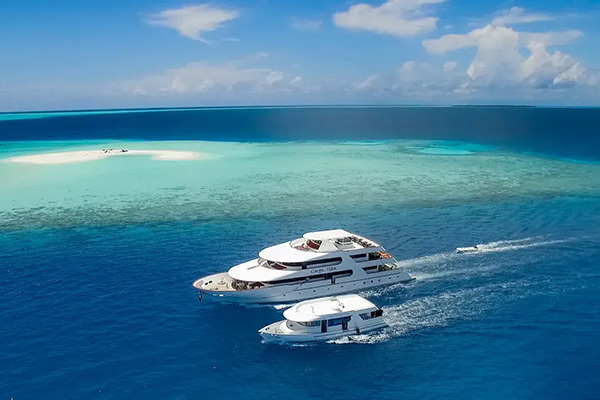
Maldives Best Time of Year for a Liveaboard Adventure in the Maldives – Complete Guide
The Maldives is a diver’s paradise, with crystal-clear waters, vibrant reefs, and breathtaking marine life. But if you want to make the most out of your trip, choosing the Maldives Best Time of Year for a Liveaboard Adventure in the Maldives is essential. The timing of your journey affects not only the weather but also the types of marine life you’ll encounter, the sea conditions, and even the cost of your trip.
This guide will walk you through the Maldives’ seasonal patterns, diving conditions, and tips for picking the perfect time for your liveaboard adventure.
Understanding the Maldives Climate
The Maldives has a tropical climate with warm temperatures year-round, averaging between 26°C (79°F) and 31°C (88°F). Instead of traditional seasons, it has two distinct monsoon periods:
- Northeast Monsoon (Dry Season): November to April
- Southwest Monsoon (Wet Season): May to October
Both seasons offer unique diving opportunities, but conditions and marine sightings can vary significantly.
Dry Season (November – April)
Why choose this season?
The dry season is the most popular time for diving in the Maldives. Skies are clear, seas are calm, and visibility can exceed 30 meters (100 feet) in some areas.
Highlights:
- Best visibility – Perfect for underwater photography.
- Plenty of sunshine – Ideal for relaxing on the sundeck between dives.
- Liveaboard route flexibility – Calm seas allow vessels to explore both central and remote atolls.
Marine life encounters:
During this season, manta rays and whale sharks are more likely to be found on the western sides of the atolls. Reef sharks, turtles, and vibrant reef fish are abundant, and the coral gardens look their best.
Best months within this season:
- January – March: Peak visibility and calm seas.
- November – December: Transition period with still great weather but slightly fewer crowds.
Wet Season (May – October)
Why choose this season?
This is considered the low season for tourism, but it’s actually a hidden gem for certain divers. Yes, there’s more rain, but showers are usually short-lived, and the sea temperature remains warm.
Highlights:
- Fewer crowds – More space on dive sites.
- Lower liveaboard prices – Great for budget-conscious divers.
- Eastern atoll marine life – Mantas and whale sharks shift to the eastern sides.
Marine life encounters:
The wet season is the feeding season for manta rays, especially around cleaning stations. Plankton blooms attract large pelagics, making this season perfect for big-animal enthusiasts.
Best months within this season:
- August – October: Prime time for manta rays and whale sharks on the eastern side of the atolls.
- May – July: Good for spotting large schools of fish and active reef life.
Month-by-Month Breakdown
Month – Conditions – Highlights
- January Dry, calm seas, high visibility Peak diving conditions in central atolls
- February Dry, excellent visibility Shark action and reef exploration
- March Dry, warm, clear water Best for underwater photography
- April Transition, calm seas Balanced east-west marine life sightings
- May Start of wet season Budget-friendly liveaboard deals
- June Wet, occasional swells Manta ray cleaning station activity
- July Wet, plankton blooms Great for big pelagics
- August Wet, peak mantas on east side Whale shark encounters increase
- September Wet, improving conditions Best for manta ray lovers
- October Transition to dry season Mixed east-west sightings
- November Dry, calm seas return Great for beginners and advanced divers
- December Dry, festive season Perfect for holiday diving tripsHow the Season Affects Liveaboard Routes
Liveaboards in the Maldives adapt their itineraries based on the season:
- Dry Season Routes: Focus on central and northern atolls, maximizing calm sea conditions and clear visibility.
- Wet Season Routes: Shift toward eastern and southern atolls to follow manta and whale shark migration patterns.
Tips for Choosing the Best Time for Your Maldives Liveaboard
- Match your goals with the season – If you want crystal-clear visibility, go in the dry season. If you want more manta and whale shark sightings, target the wet season’s eastern routes.
- Check for special itineraries – Some liveaboards offer “Manta Madness” or “Shark Week” cruises at specific times.
- Book early for peak months – January to March trips often sell out a year in advance.
- Bring the right gear – Even in the wet season, a 3mm wetsuit is usually enough, but pack a lightweight rain jacket for surface intervals.
Pros and Cons of Each Season
Dry Season Pros:
- Best visibility for photography
- Calm seas for smooth liveaboard travel
- Predictable weather
Dry Season Cons:
- Higher prices
- More crowded dive sites
Wet Season Pros:
- More pelagic encounters
- Lower prices and more availability
- Richer plankton blooms for marine life activity
Wet Season Cons:
- Lower visibility at times
- Possibility of choppier seas
Final Thoughts
The truth is, there’s no single “bad” time to dive in the Maldives – the best time depends on your priorities. If you dream of clear water and calm seas, the dry season from November to April is your best bet. If you want intimate encounters with manta rays and whale sharks without the crowds, aim for the wet season between August and October.
Whichever you choose, a Maldives liveaboard ensures you’ll visit the most spectacular dive sites, wake up to new underwater worlds each day, and create unforgettable memories beneath the surface.
